energy bills tell a story. our vote has power!
Power-UP Your Vote! is the final phase of EcoPoder’s One Hot Summer campaign, bringing together everything our communities have shared and learned about rising energy costs, extreme heat, clean energy, and the decisions shaping our neighborhoods. As we head into the 2026 Midterm Elections, we’re helping our communities understand how elected leaders and public agencies can influence the issues affecting our lives and how civic participation can help make our priorities heard.
Explore Power-UP Your Vote! to learn about key elections affecting our energy future, make a plan to vote early, find a Vote Early Day activation near you and learn more about emerging issues like AI data centers and their impact on our communities.
From January to August 2026, we surveyed thousands of people across 7 states. Here are our findings:
Our energy bills tell a story, but our votes can change it! Turn your bill into Power!
EcoPoder’s One Hot Summer !
Eco-Poder is about protecting the resources that sustain our communities and ensuring families have a voice in the decisions that shape their energy costs.
Through the 2026 ‘One hot Summer’ campaign, we empower Latino communities across seven states to understand energy systems, engage in civic processes, and advocate for affordable energy.
Turning Energy Bills into Civic Participation
Bill Terminology:
Energy bills can be confusing, but understanding a few key terms can help you take control of your energy costs. Below are some of the most common terms you’ll find on your bill and what they mean.
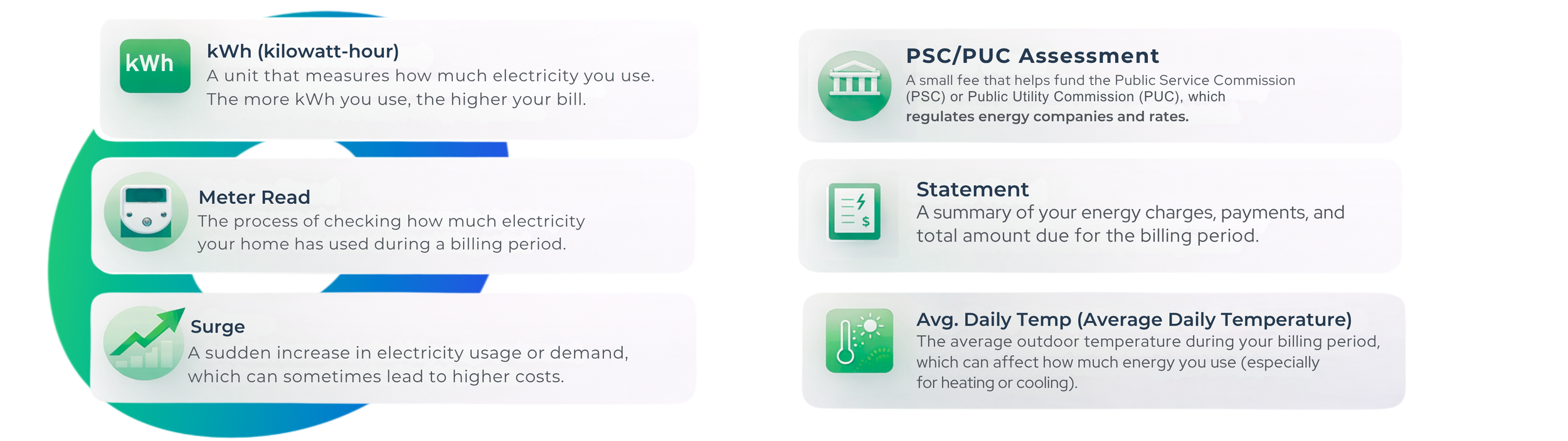
Understanding these terms is the first step to lowering your energy costs and making informed decisions for your home and your community.
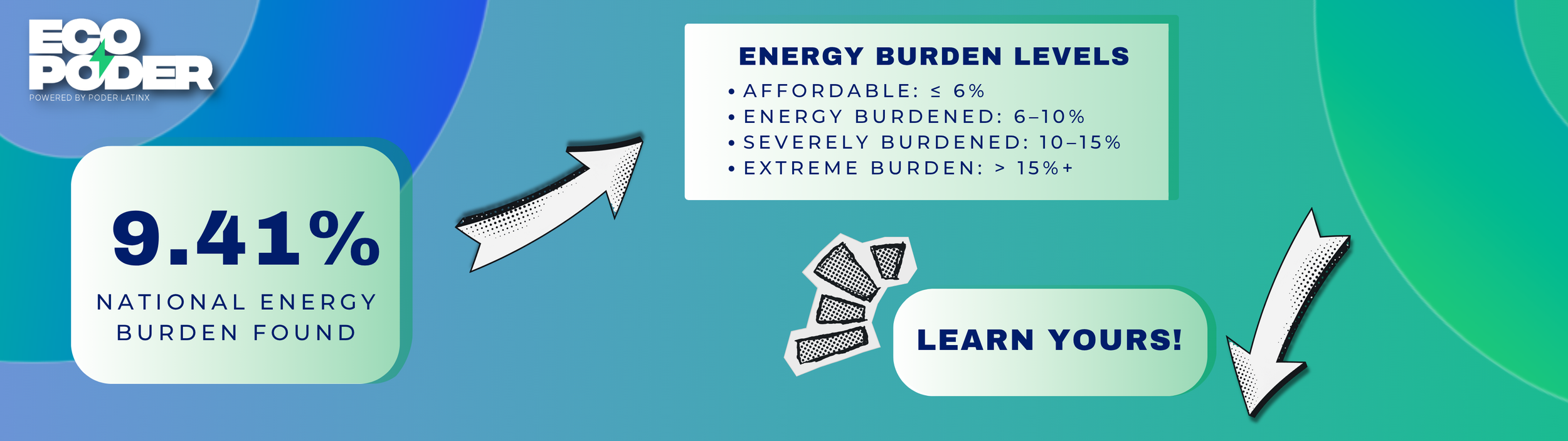
What is an energy burden?
Energy burden is the percentage of a household’s gross income that goes toward paying energy bills. The U.S. Department of Energy (DOE) considers any energy burden above 6% to be high.
High energy burdens can force families to make difficult choices between paying energy bills and paying for essentials like groceries, rent, or medicine.
As temperatures rise and energy costs increase, many communities, especially low- and moderate-income households and communities of color, face growing energy affordability challenges.
Energy Costs Are an Environmental Issue:
Rising temperatures driven by climate change increase the need for cooling and energy use
Aging and inefficient housing stock leads to higher energy consumption and costs
Utility decisions are often made without meaningful community input or transparency
Limited access to clean energy solutions keeps families dependent on costly systems
Who is most impacted by high energy burdens:
Low- and moderate-income households who spend a higher share of their income on energy
Renters who have limited control over building efficiency and energy upgrades
Older homes with outdated appliances, poor insulation, and higher energy waste
Residents in hot climates where air conditioning is essential for daily life
Who Serves on these Commissions?
PSC or PUC commissioners are either elected by voters or appointed by state leaders, depending on the state.
For example:
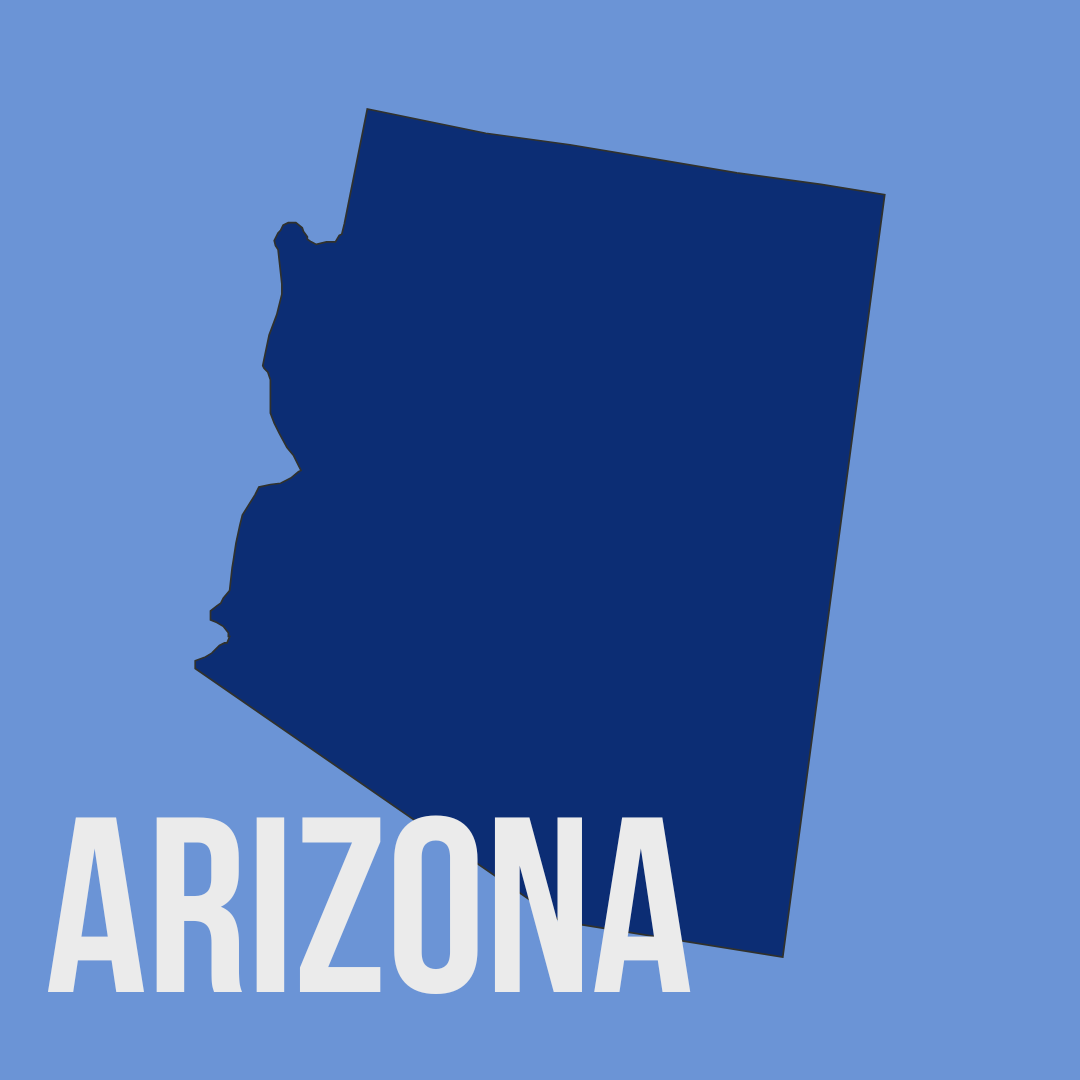
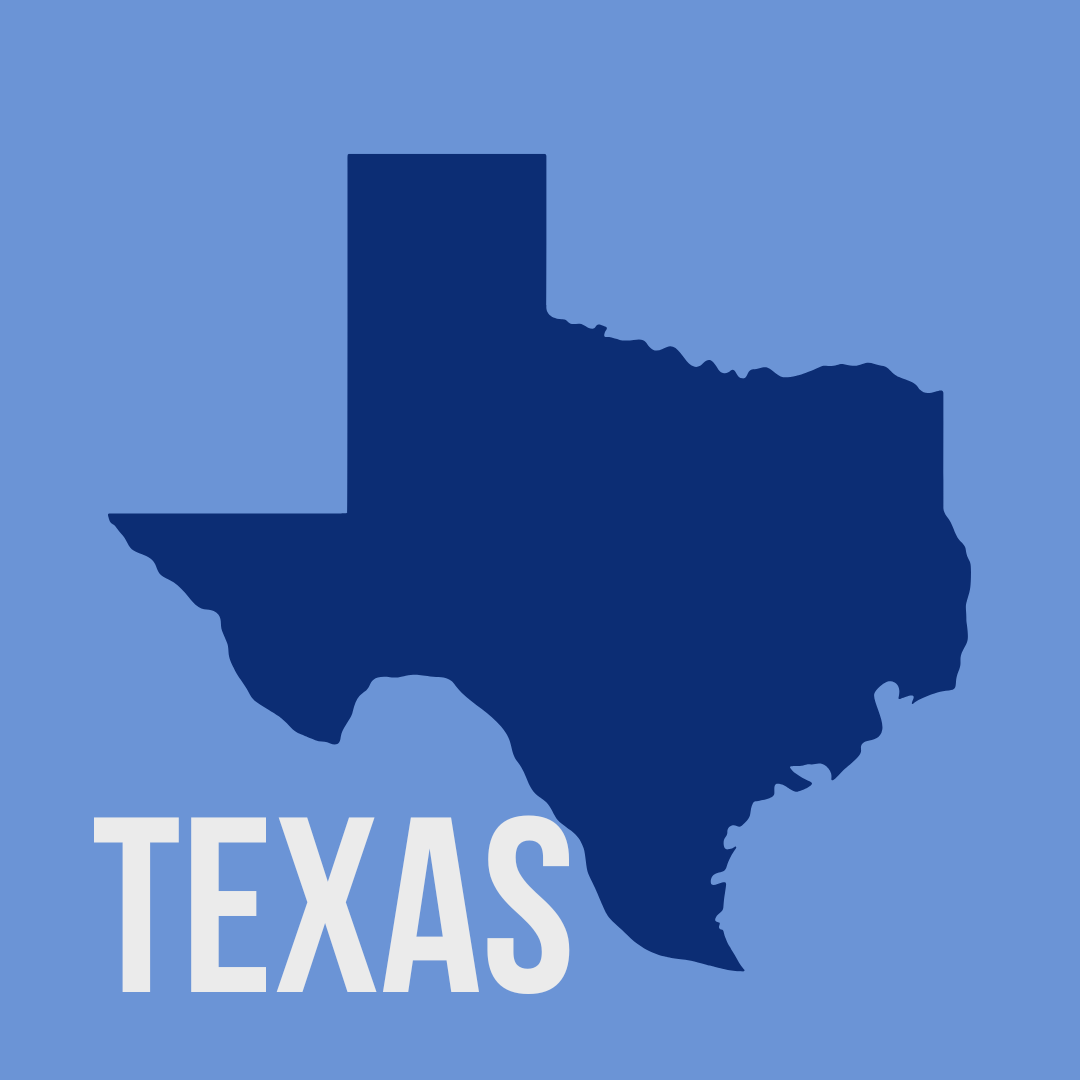
In states like Georgia, Texas, and Arizona, voters elect commissioners.
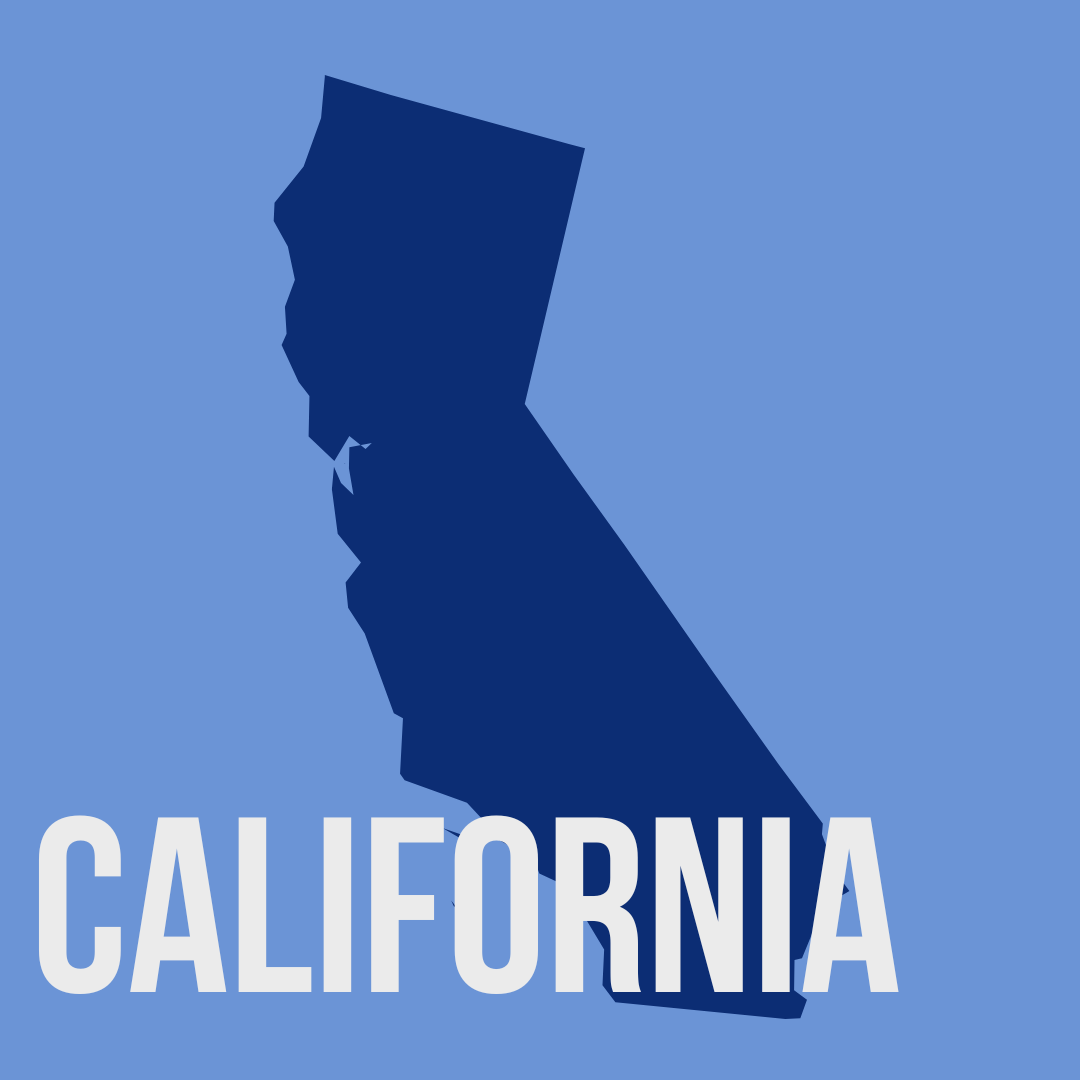
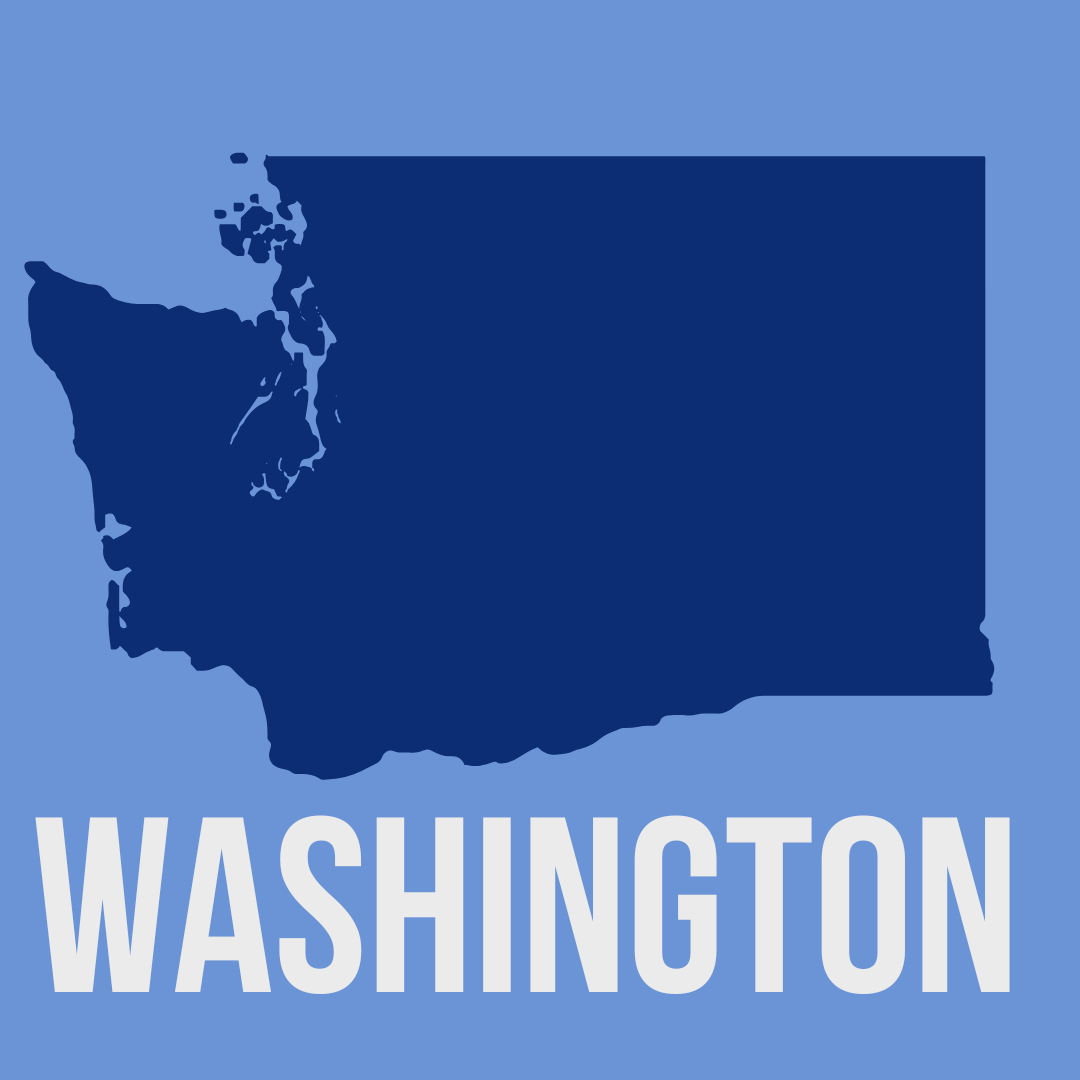
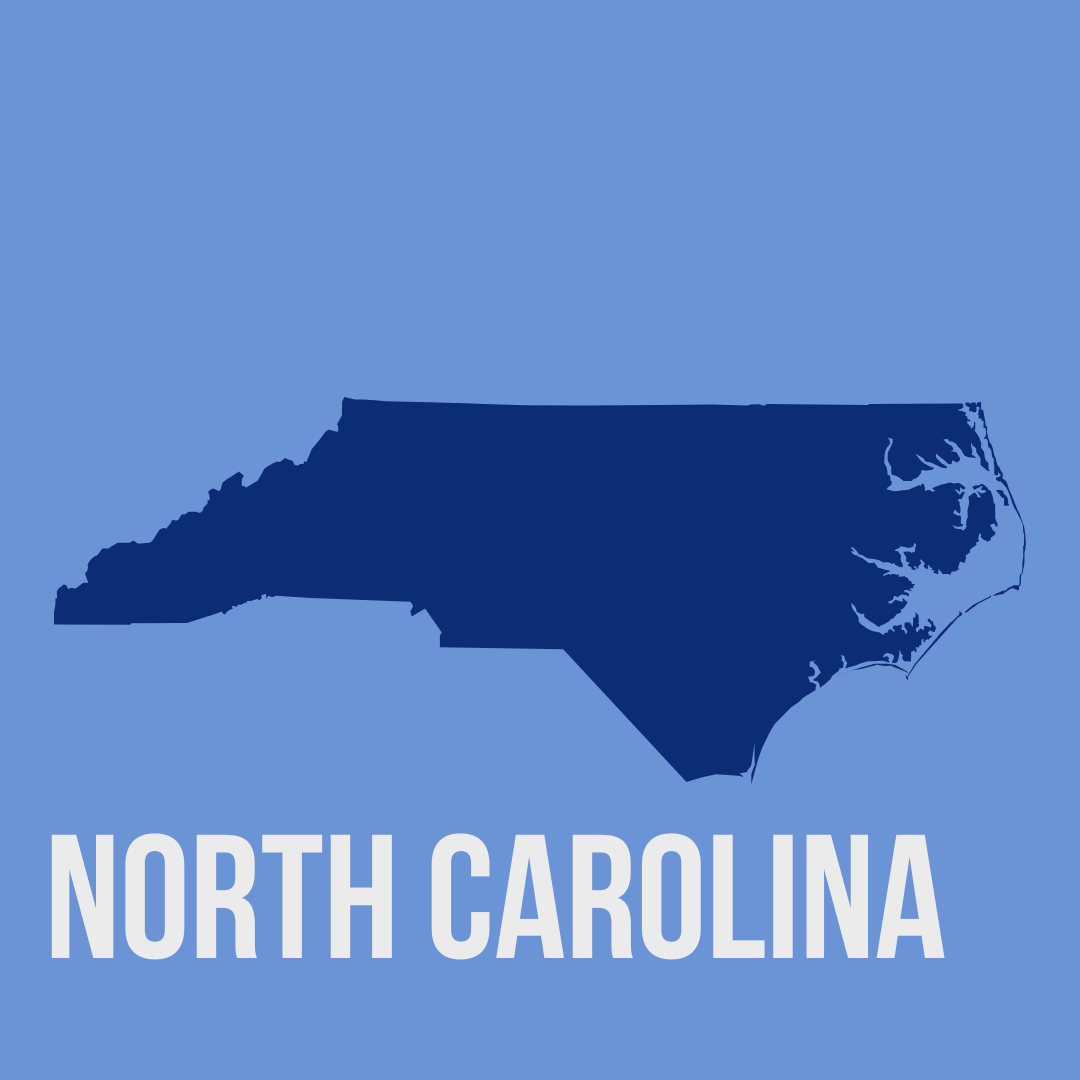
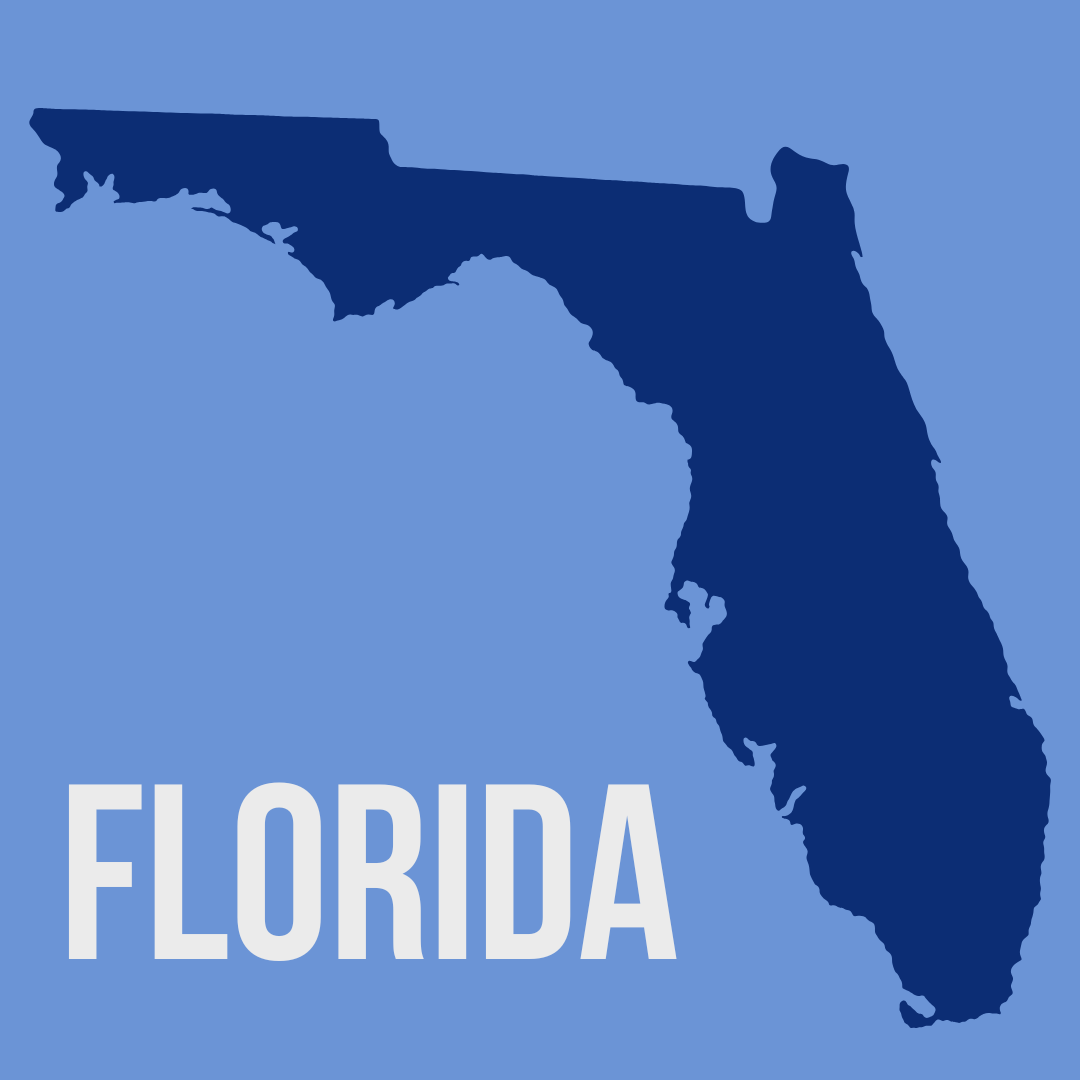
In other states like California, Florida, North Carolina, and Washington, commissioners are appointed by the Governor and confirmed by the state legislature.
Even when commissioners are appointed, public participation and elections still matter, because elected officials influence who ultimately serves on these commissions.
What are PSCs and utility commissions?
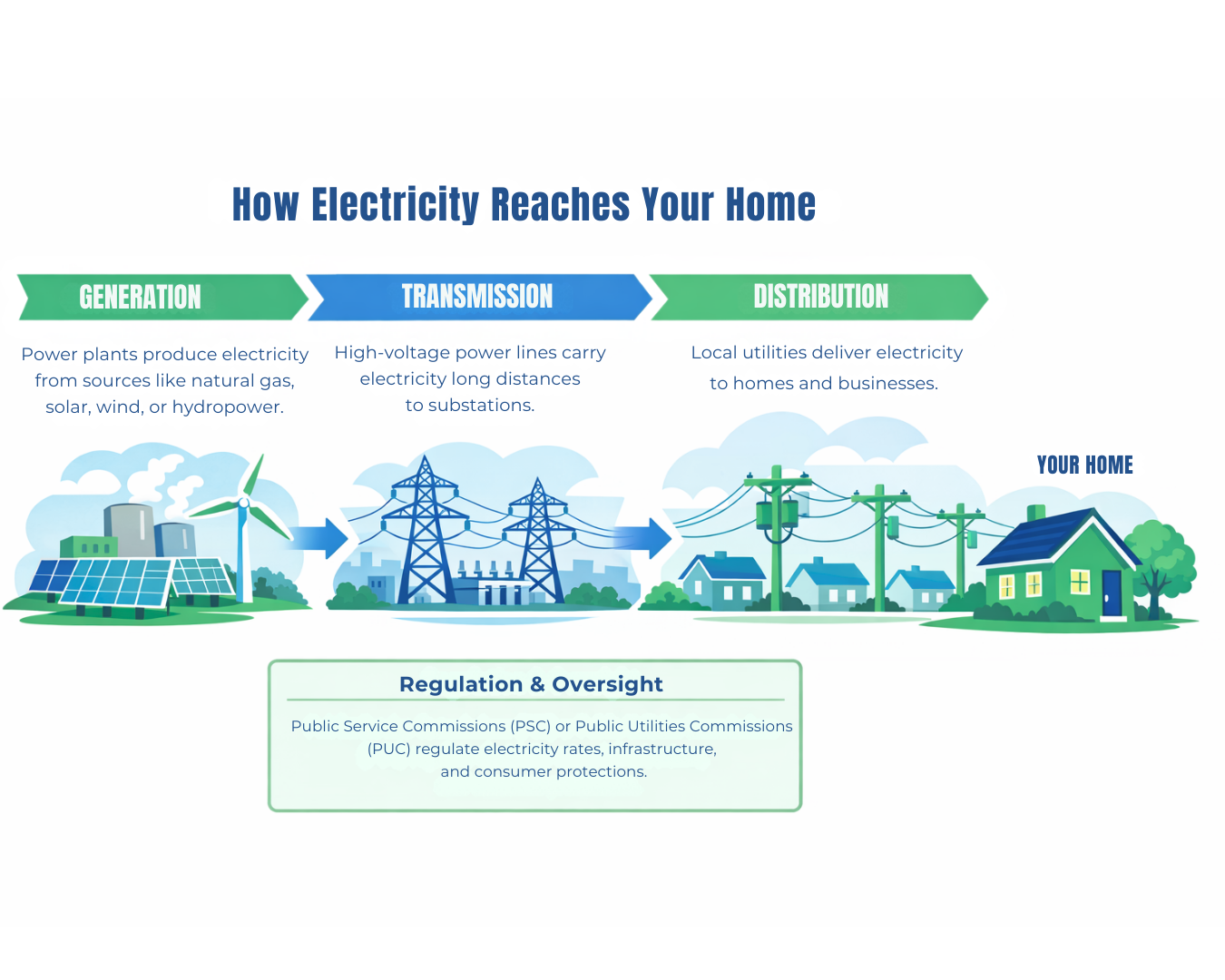
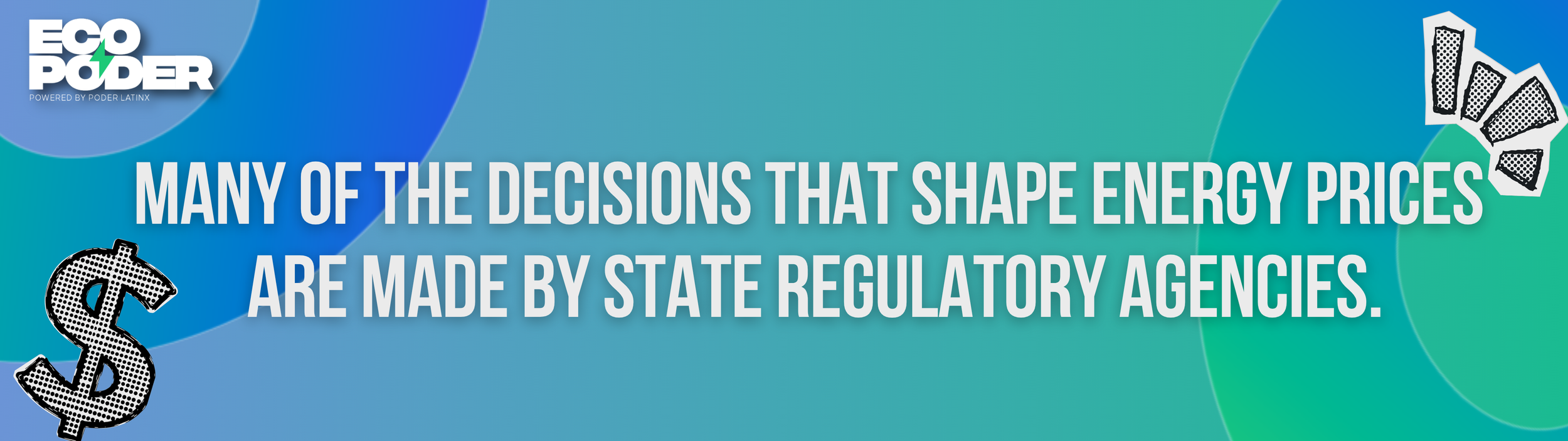
A Public Service Commission (PSC) or Public Utilities Commission (PUC) is a state-level regulatory body responsible for overseeing utilities such as electricity and gas.
These commissions make important decisions that affect:
Electricity rates
Utility infrastructure investments
Energy programs
Consumer protections
Their role is to ensure that utility services remain safe, reliable, and reasonably priced for consumers.