
Energy Affordability in Georgia
Energy costs continue to impact Georgia households, though awareness of the regulatory system remains limited.
Key Findings
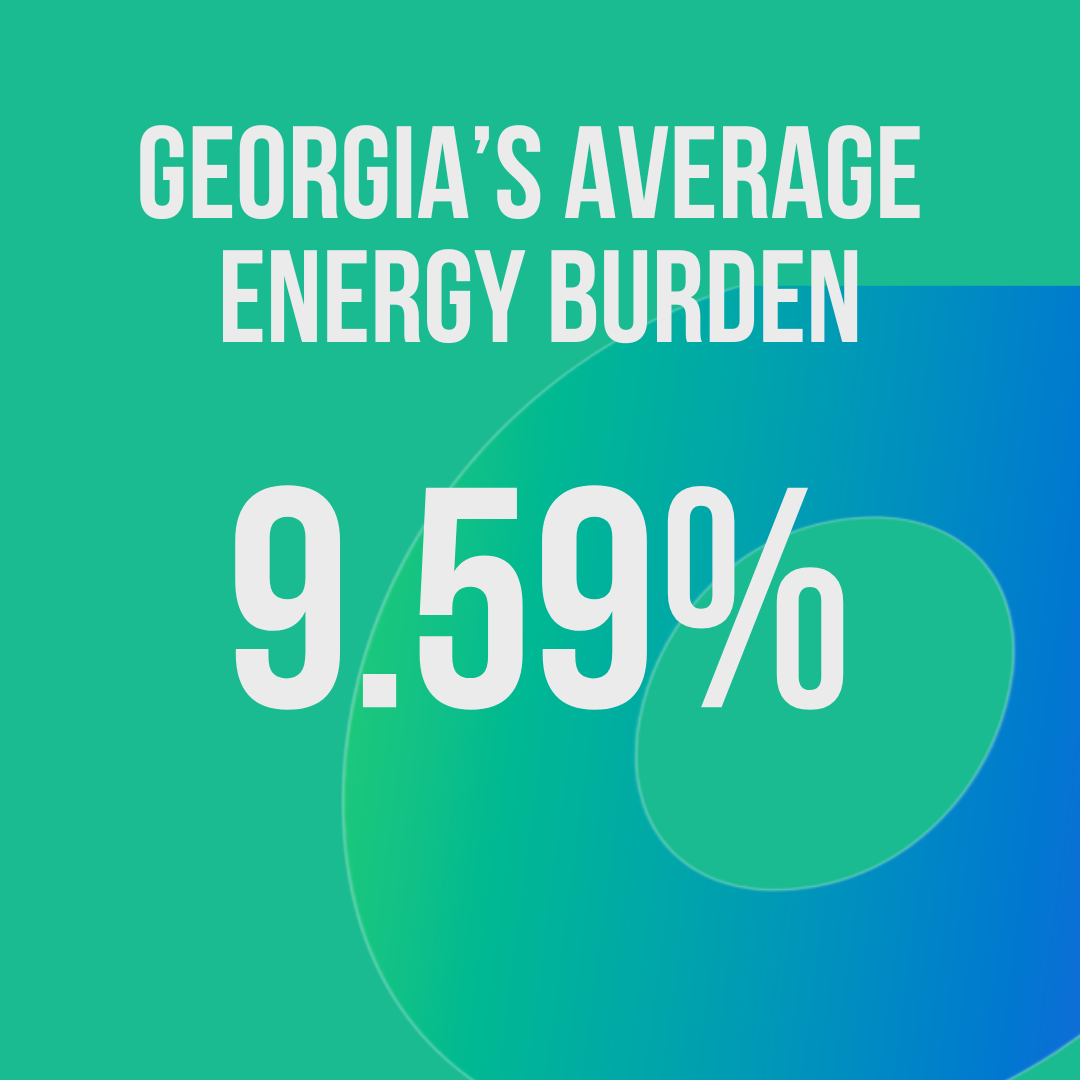
The average winter energy burden in Georgia is 9.52%.
32.02% of respondents said they do not understand what appears on their energy bill.
28.10% of respondents do not know what the Georgia Public Service Commission (GPSC) is or that it regulates energy prices.
How the Georgia Electricity Market Works
Many Georgia residents receive electricity from Georgia Power, while others are served by Electric Membership Cooperatives (EMCs) or municipal utilities.
Investor Owned Utilities (IOUs)
Georgia Power:
Regulated by the GA Public Service Commission (PSC)
Generates or purchases electricity
Owns and maintains transmission and distribution infrastructure
Delivers electricity to homes and businesses
Customers cannot switch to another provider.
Electric Membership Cooperatives (EMCs)
Governed by a Board of Directors elected by cooperative members.
Member-owned electric cooperatives such as Carroll EMC
Governed by elected Boards of Directors
Members can vote in cooperative elections
Members may receive Capital Credits
How Rates Set?
Georgia Power:
Georgia Power’s rates are set through a multi-step regulatory process overseen by the GA Public Service Commission (PSC).
EMCs:
Rates are established by the cooperative's Board of Directors based on the cost of providing reliable electric service to members.
Georgia Public Service Commission (GPSC)
The Georgia Public Service Commission reviews and approves electricity rates and oversees key utility decisions. Energy policies and utility rate decisions affect household budgets across the state.
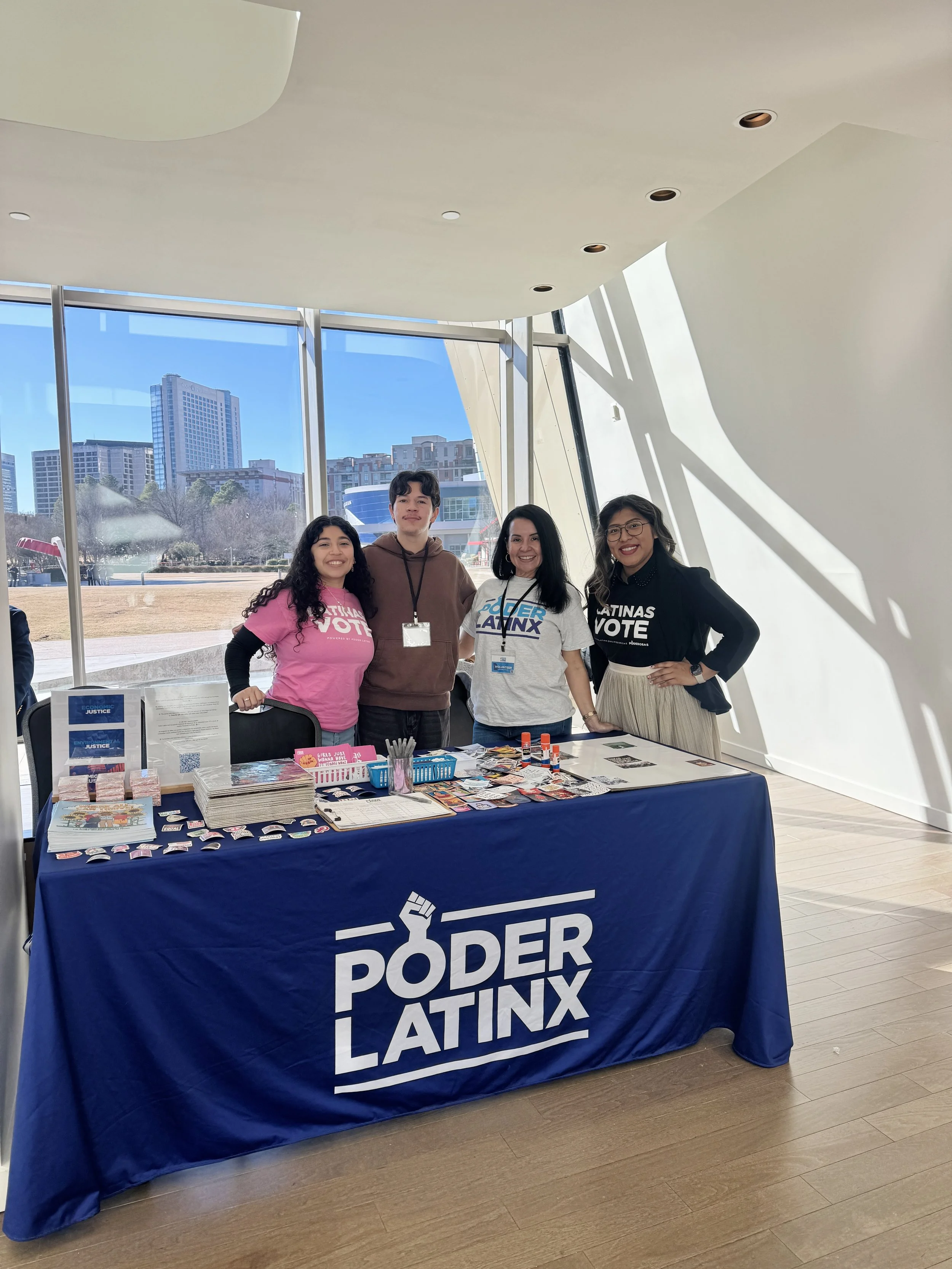
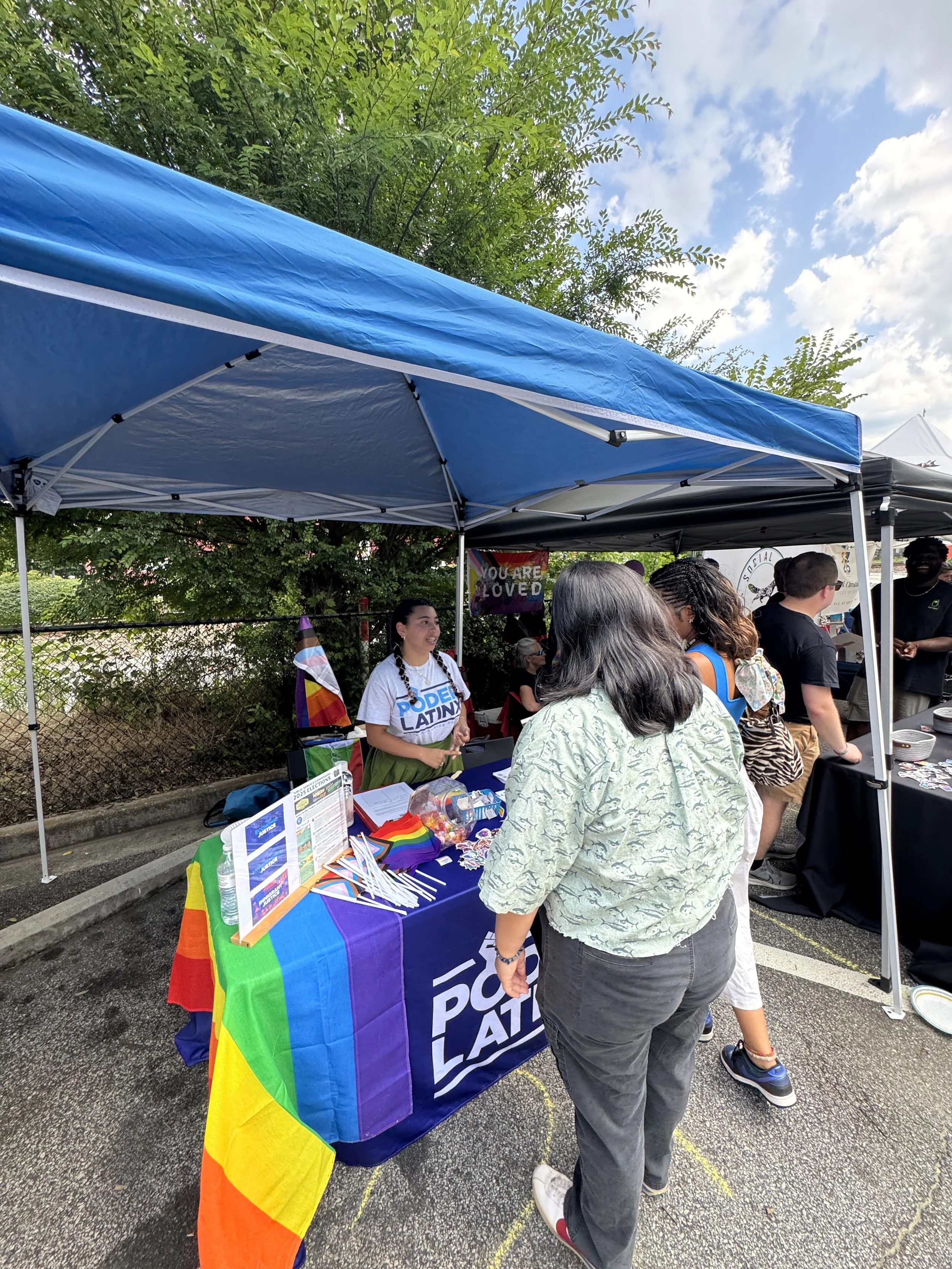
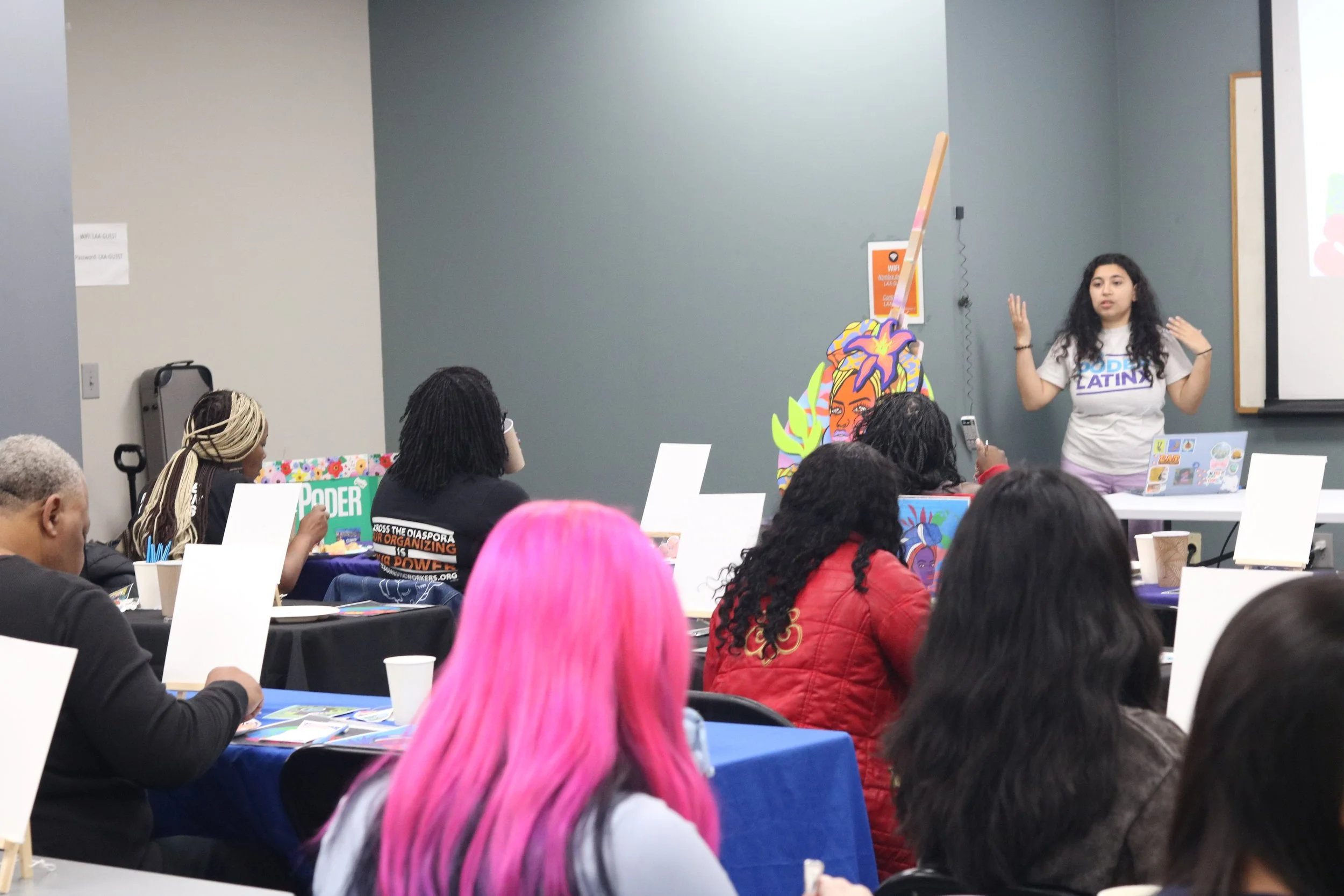
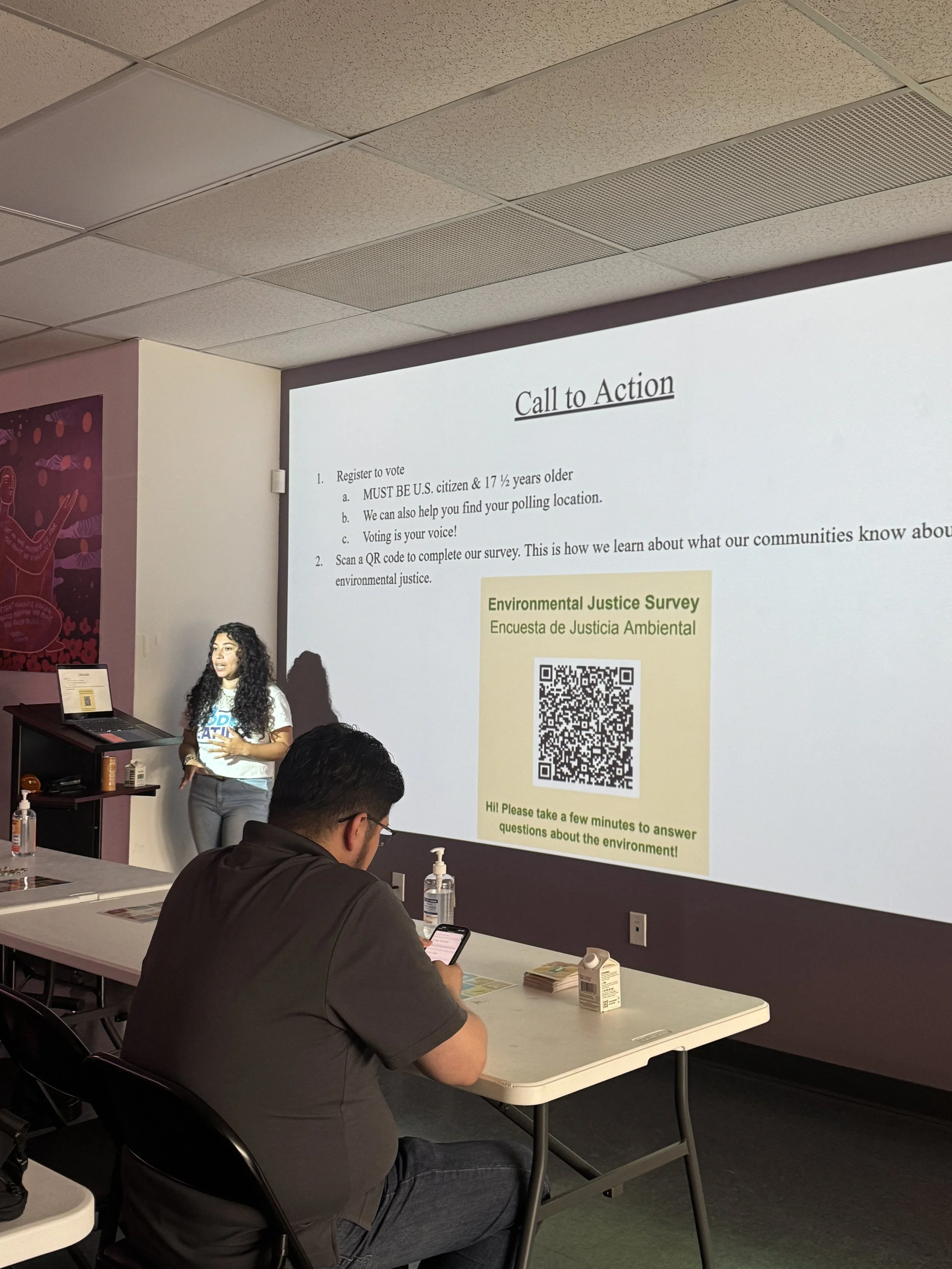
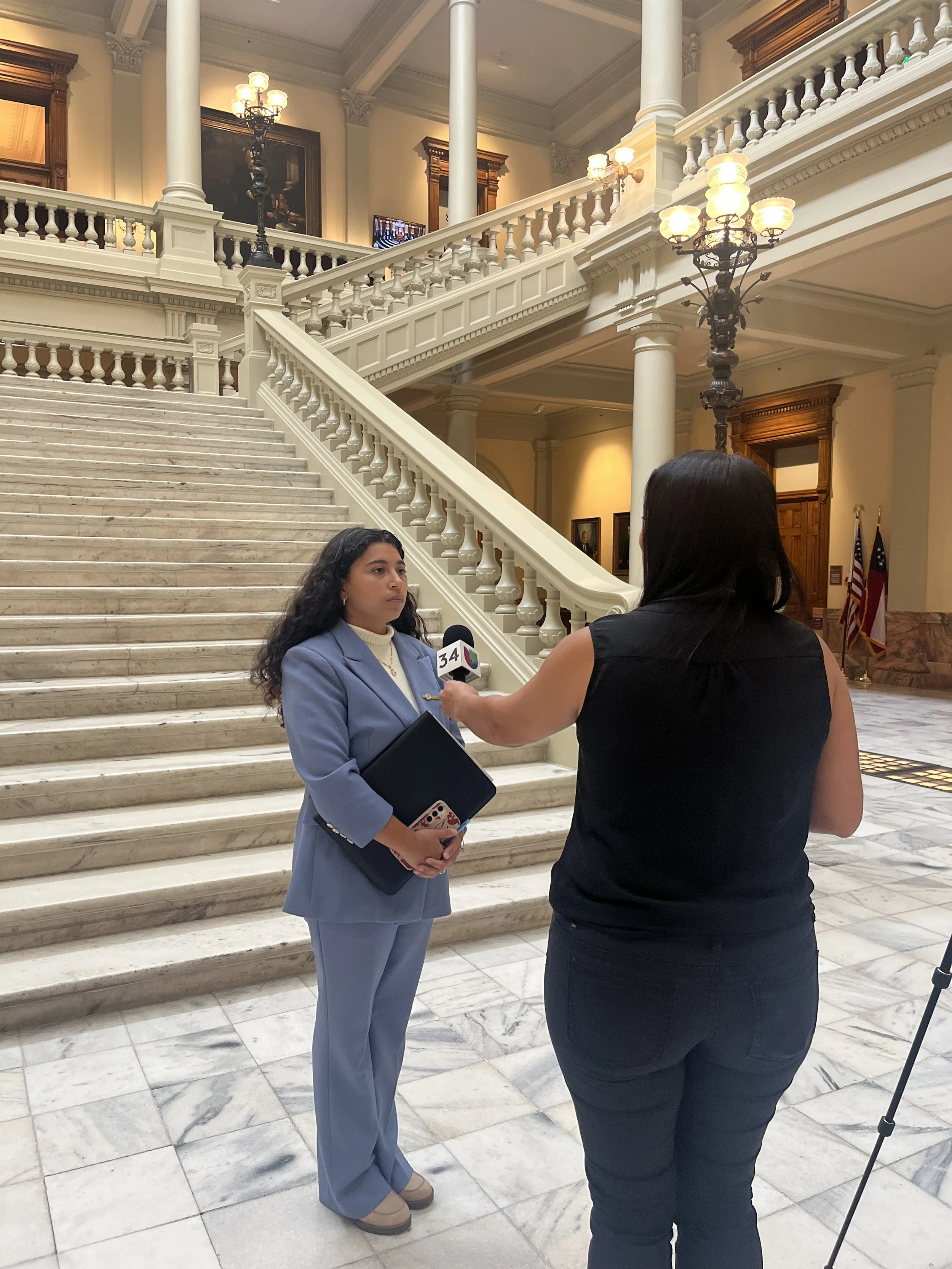
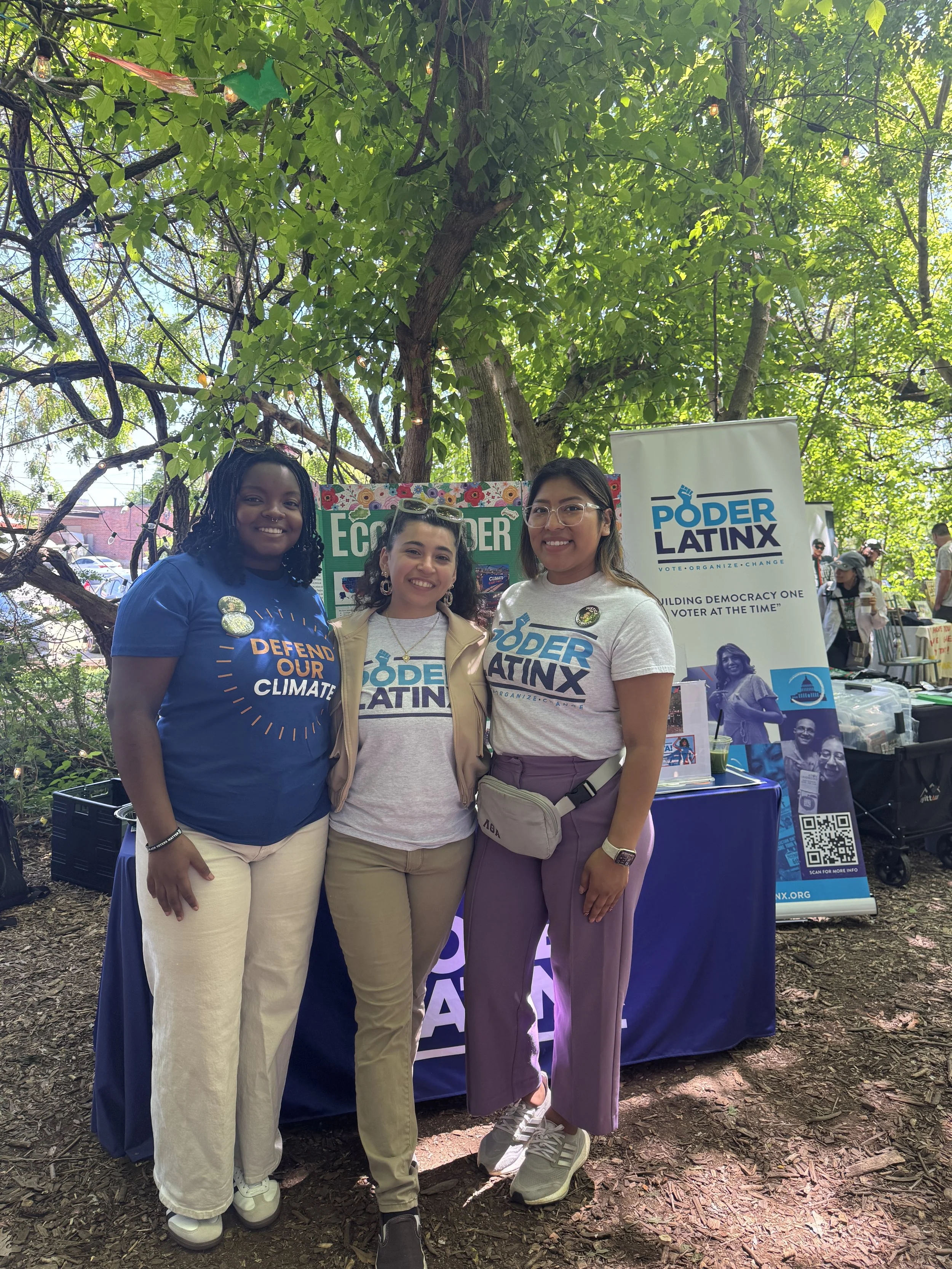
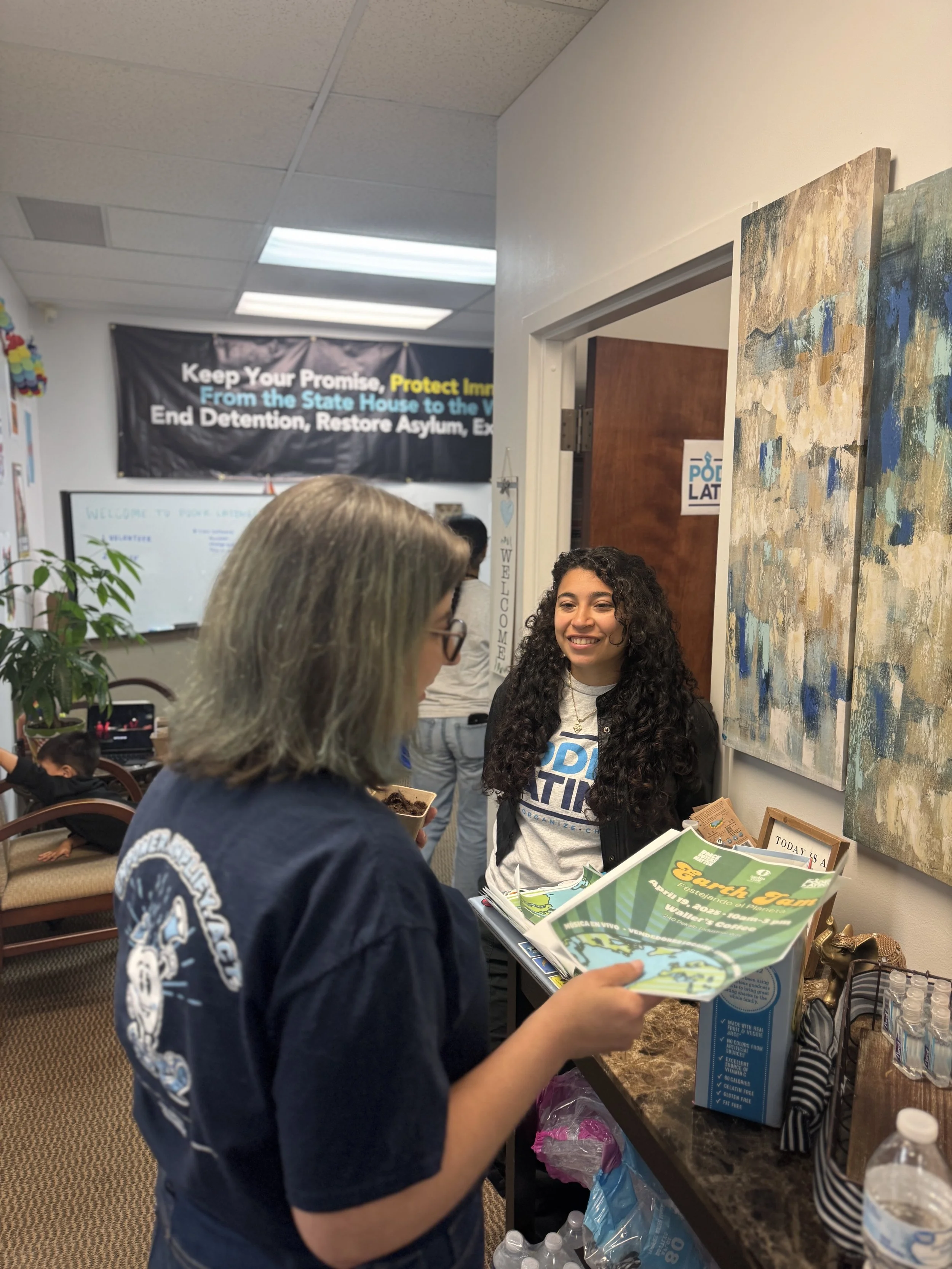
Poder Latinx’s Georgia Families First campaign is reaching 80,000 doors across Georgia to connect Latino communities with information about energy affordability, civic participation, and the November 3 election.
La campaña Familias de Georgia Primero de Poder Latinx busca llegar a 80,000 hogares en todo Georgia para conectar a las comunidades latinas con información sobre la asequibilidad de la energía, la participación cívica y las elecciones del 3 de noviembre.
Highlights of the state’s contribution to the national campaign
Take Action!
Community participation in elections and public processes helps ensure energy policies reflect the needs of Georgia residents.


State Resources

You’re typically served by Georgia Power or a local Electric Membership Cooperative (EMC). Use this resource to find all EMCs across the state.
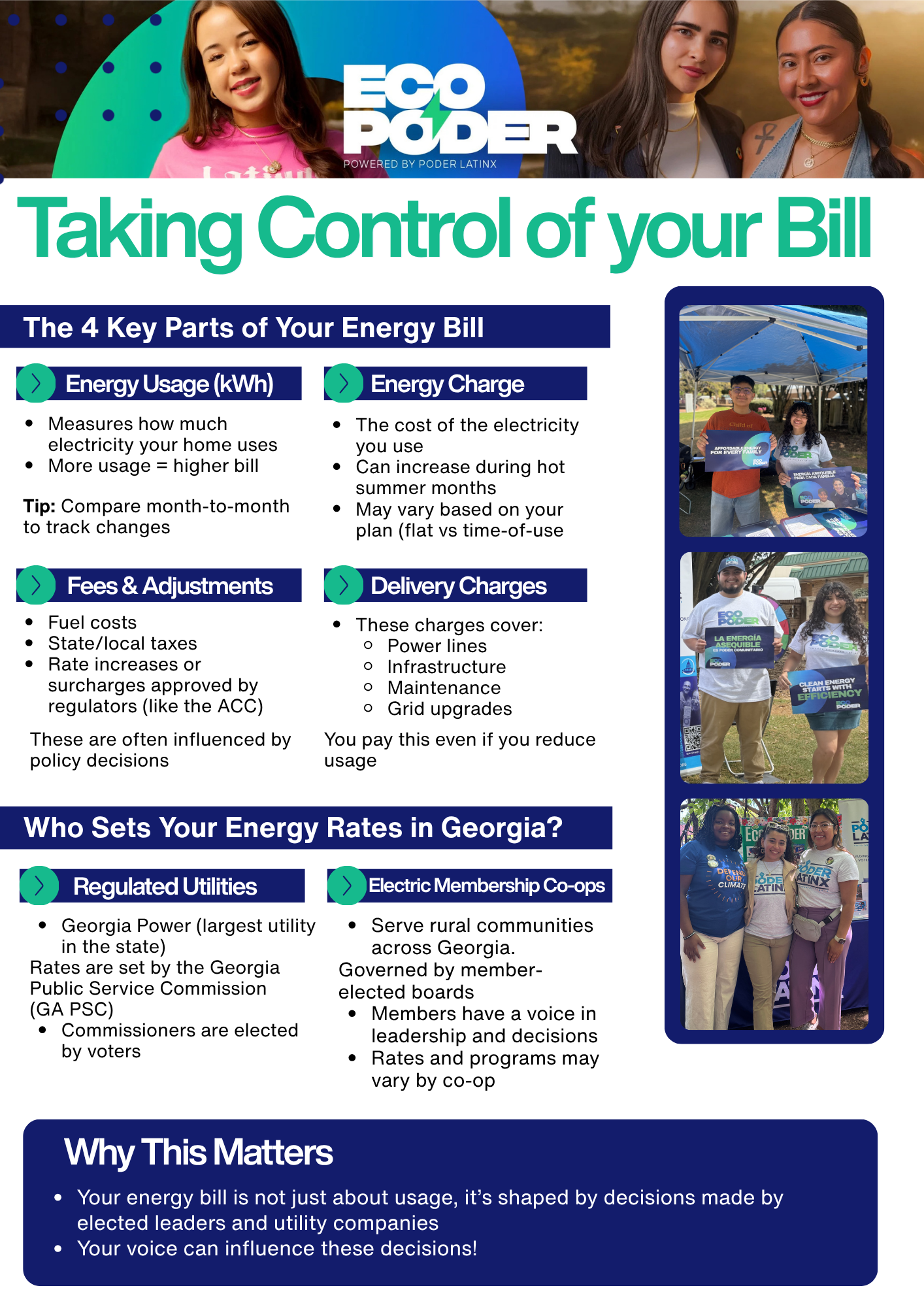
How to Read your Energy Bill
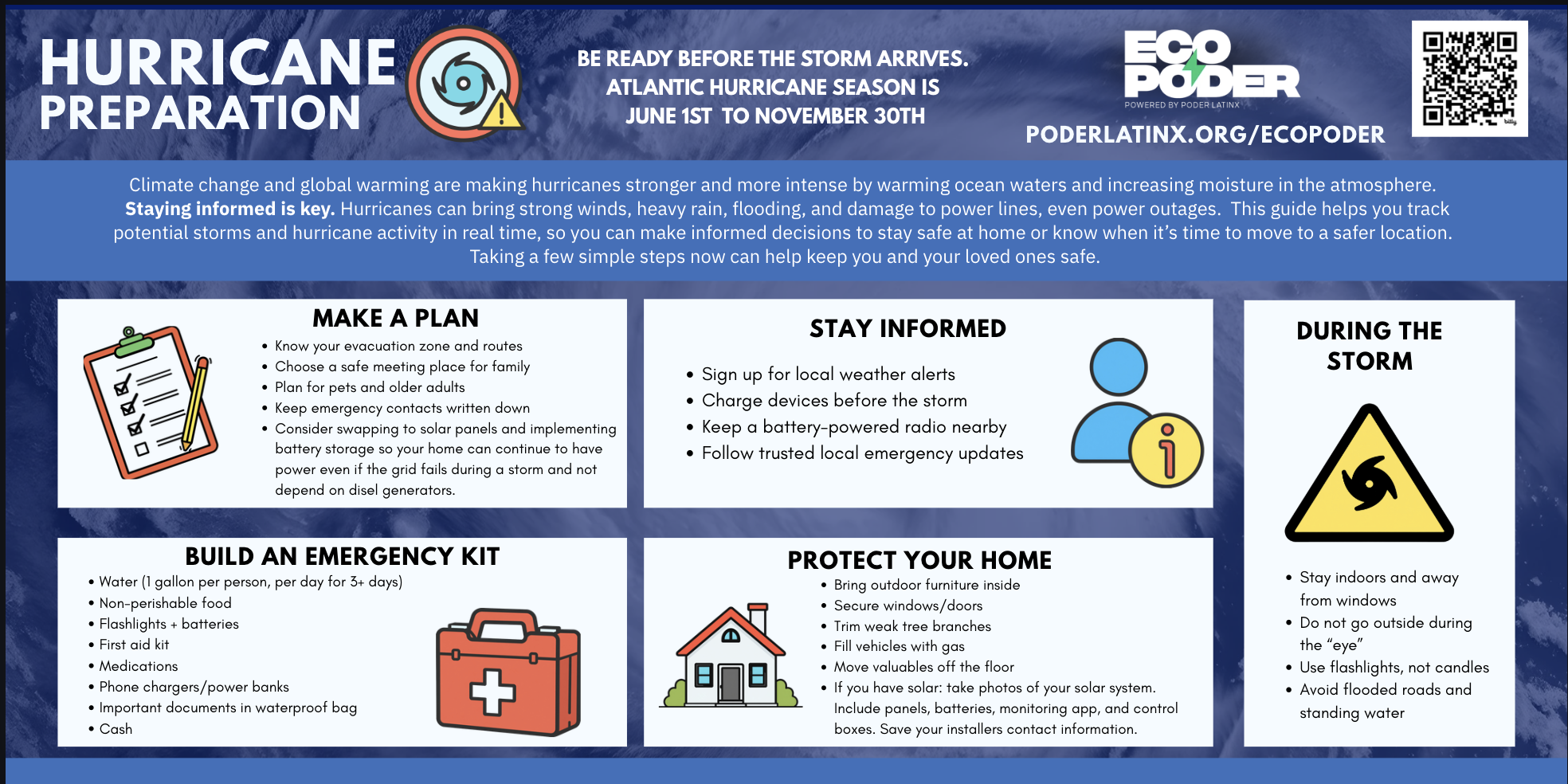
Hurricane Prep Map in ENG/ESP

Use this to see Georgias Energy Portfolio
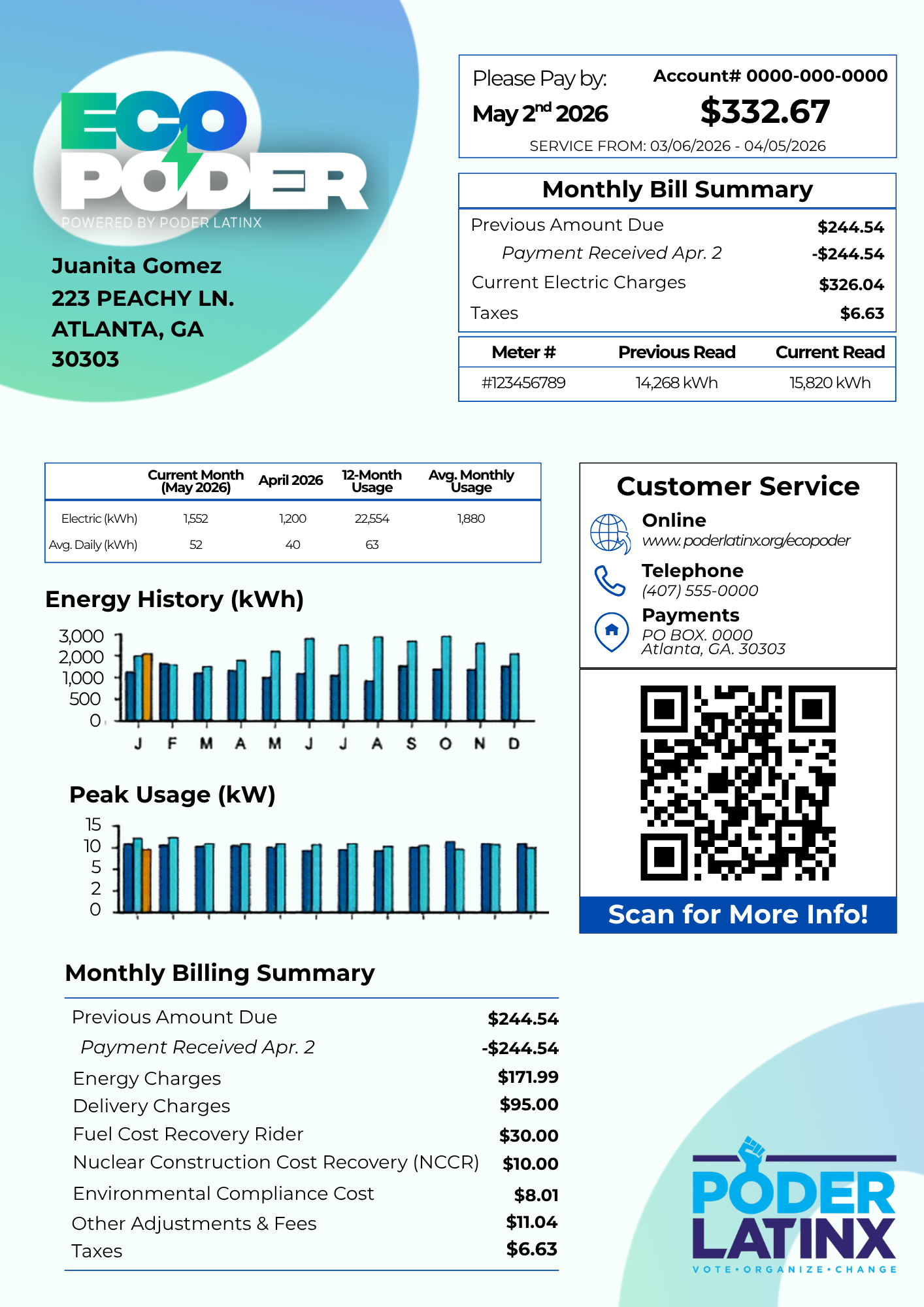
Sample Energy Bill

A nonprofit dedicated to advocating for the people and keeping the PSC accountable

EcoPoder: LaBorinqueña WebComic