
When the Heat Changes the Game
By: Ramses Jimenez, Poder Latinx Georgia Coordinator
Soccer has always been more than a game to me. It brings people together across borders, languages, cultures, and generations. As a lifelong fan and youth soccer coach, I have seen firsthand how the sport can unite communities and create opportunities for young people to grow, learn, and belong.
This summer, soccer has captured the attention of millions of people around the world. But it has also highlighted some of the challenges many families face every day. Affordability is one of them.
For many working families, the rising cost of living has made it harder to afford everything from housing and groceries to transportation and utility bills. Too often, families are forced to make difficult decisions about where their hard-earned money goes. So attending the world soccer games is not a possibility for many of us.
Another challenge is extreme heat.
Across Georgia and much of the country, communities are experiencing hotter summers, more frequent heat waves, and rising energy costs. Long before summer officially arrives, many families are already feeling the impact through higher utility bills and the growing cost of simply staying safe and comfortable.
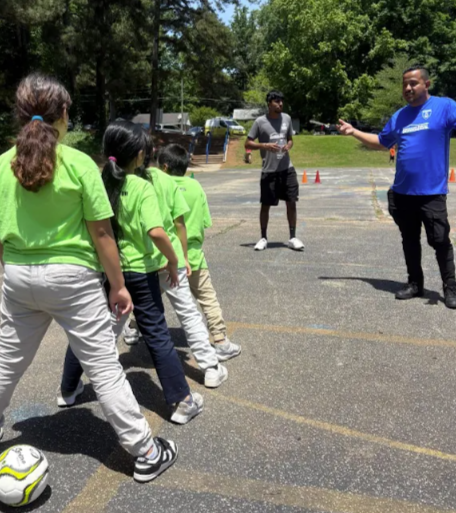
As a youth soccer coach, I see these challenges every season. Practices and games are increasingly shaped by extreme weather. Coaches schedule extra water breaks, parents bring cooling equipment, and children search for shade on days when temperatures become dangerous. What should be a normal afternoon of sports increasingly feels like an effort to adapt to conditions that continue to worsen.
In many working-class neighborhoods, the lack of tree canopy and green space creates urban heat islands that make already hot days even hotter. The effects are not distributed equally. Communities with fewer resources often bear the greatest burden of extreme weather and rising energy costs.
For me, these issues are deeply personal. I grew up in Mexico City, where pollution was part of everyday life. Every morning, I looked out at a thick layer of smog hanging over the city. My grandmother and I worked hard to make ends meet, but no amount of hard work could shield us from the environmental conditions around us.
The consequences were real. Because of severe pollution exposure, every woman in my family has had her thyroid removed. Every single one. Environmental neglect is not an abstract concept to me. I have seen the toll it can take on families and communities.
Today, I see similar patterns emerging as climate change drives more frequent extreme heat events and energy costs continue to rise. Through Poder Latinx's ¡Qué Calor! campaign, we surveyed Latino families in Georgia and found that many households are spending a disproportionate share of their income on energy bills. Families are being forced to devote more of their budgets simply to keep the lights on and their homes cool during increasingly hot summers.
The challenges we face—rising costs, extreme weather, and unequal access to resources—are connected. But they are not inevitable.
Addressing them requires investments in affordable and reliable energy, stronger protections for communities vulnerable to extreme heat, and policies that prioritize public health and environmental justice. It also requires civic participation.
The decisions that shape our energy costs, environmental protections, and community investments are made by elected officials and public bodies at every level of government. That includes local elections, statewide races, and important contests such as Georgia's Public Service Commission elections, which help oversee decisions that affect utility rates and energy policy.
As voters prepare for upcoming elections—including Georgia's Public Service Commission races and future election cycles—we have an opportunity to support leaders who are committed to affordable energy, healthy communities, environmental stewardship, and practical solutions that help families succeed.
The challenges facing our communities are bigger than any single game. They affect how much we pay to cool our homes, whether our children can safely play outside, and whether working families can thrive in a changing climate.
The future of our communities will be shaped by the choices we make today. That is why showing up, speaking out, and participating in our democracy matters. Whether it is advocating for cleaner air, affordable energy, safer neighborhoods, or stronger protections against extreme heat, our voices matter.
Just like in soccer, progress requires teamwork. By working together and staying engaged, we can help build healthier, more affordable, and more resilient communities for generations to come.
###