Seattle Stadium “Lumen Field”
Location: Seattle, Washington, United States
Matches Hosted: FIFA World Cup 2026™ matches
Stadium Capacity: Approximately 69,000
Transit Access: Sound Transit Link Light Rail, regional bus and commuter rail networks
Key Sustainability Feature: Zero-waste operations and circular economy leadership
World Cup Name: Seattle Stadium
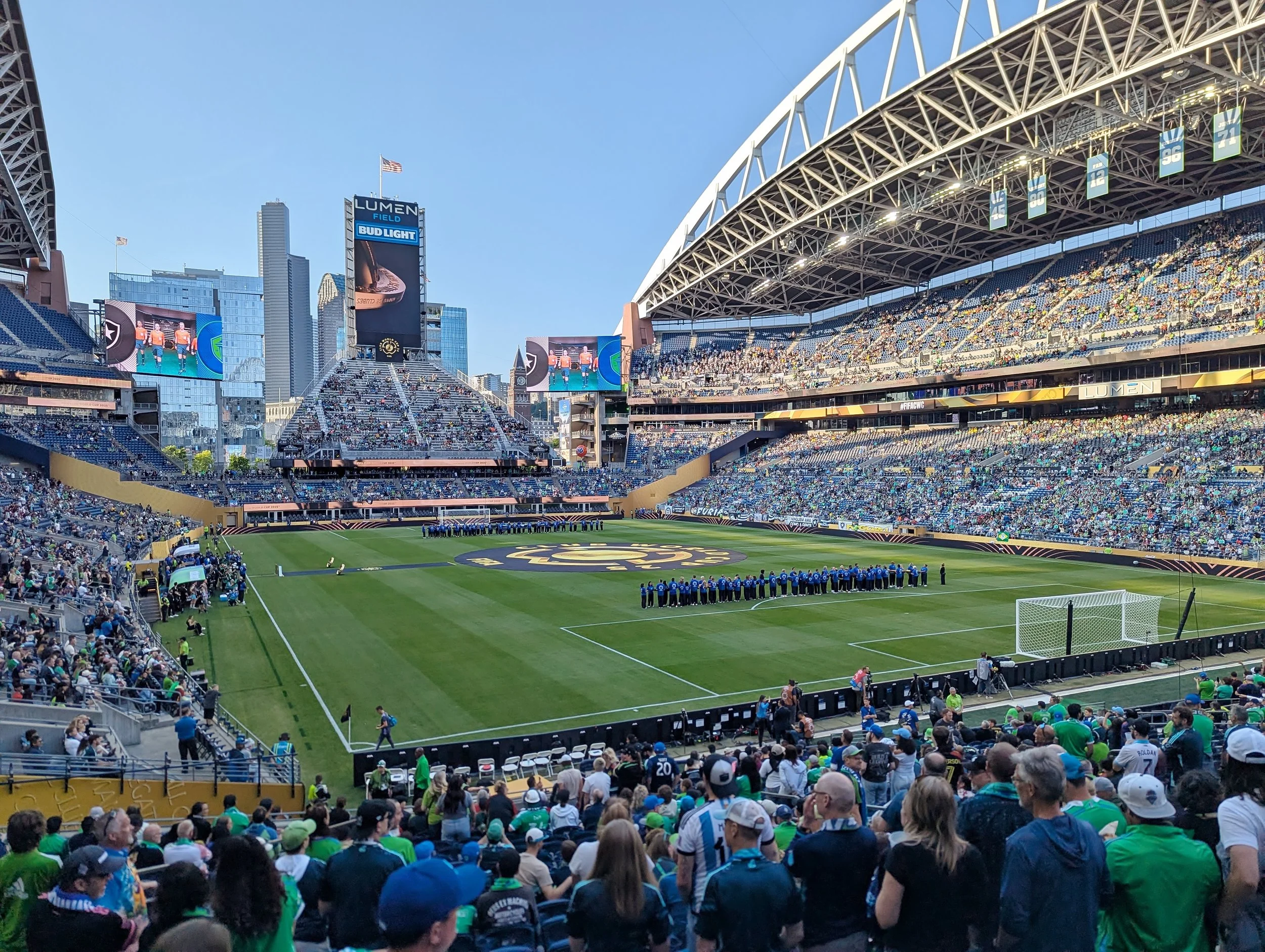
Stadium Overview:
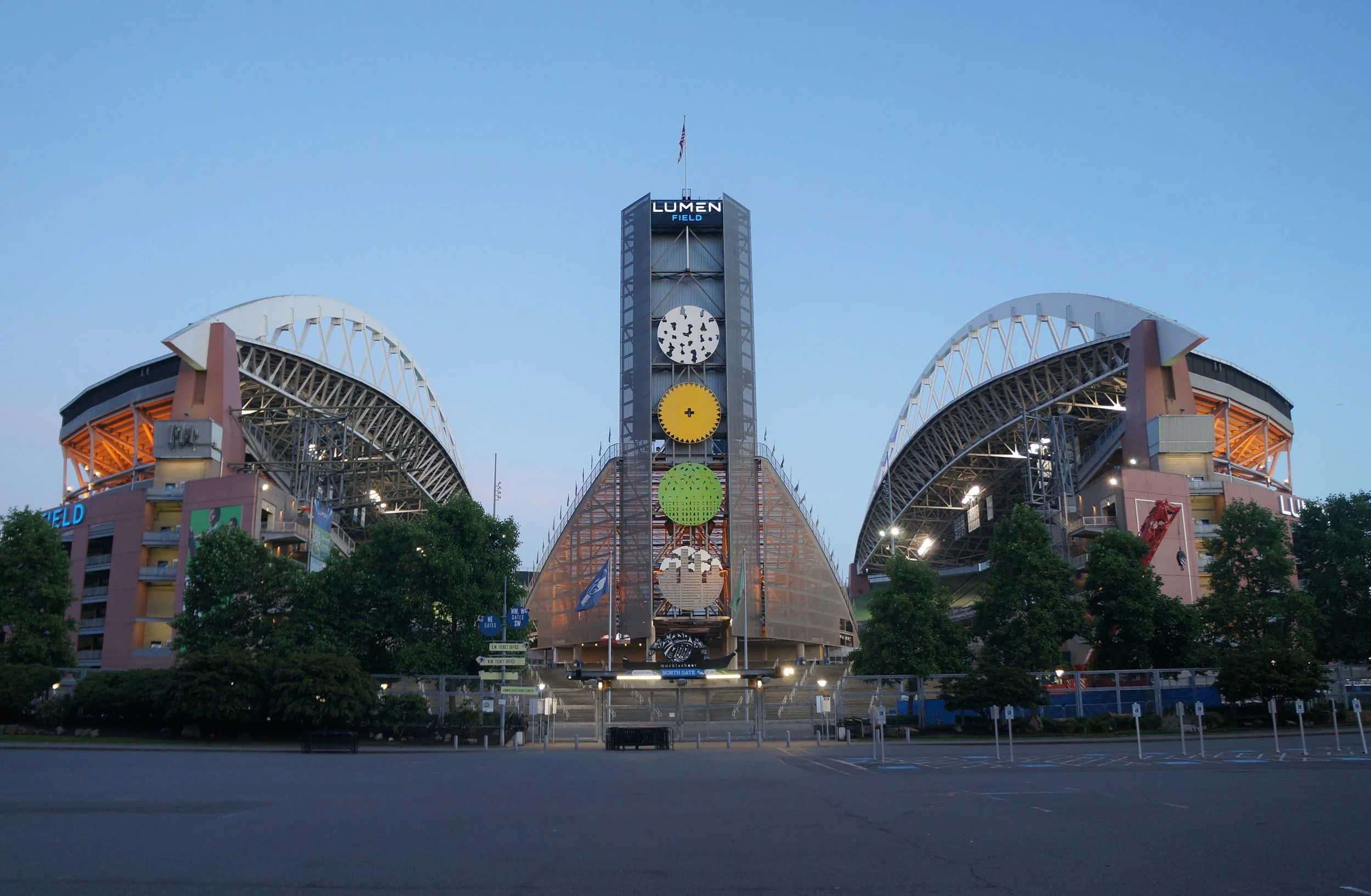
Known as Seattle Stadium during the FIFA World Cup 2026™, Lumen Field is one of the most environmentally innovative sports venues in North America. Home to the Seattle Seahawks and Seattle Sounders FC, the stadium has become a leader in sustainable event operations through its commitment to waste reduction, local sourcing, composting, and circular economy practices.
As Seattle prepares to host FIFA World Cup 2026™ matches, Lumen Field continues to demonstrate how large venues can reduce environmental impacts while strengthening local economies and communities.
Key features include:
Zero-waste operations
Closed-loop recycling systems
Hyper-local food sourcing
Compostable food service materials
Materials recovery and reuse programs
Circular economy initiatives
Sustainability & Climate Highlights:
Zero-Waste Leadership
Lumen Field has established one of the most ambitious waste diversion programs in professional sports.
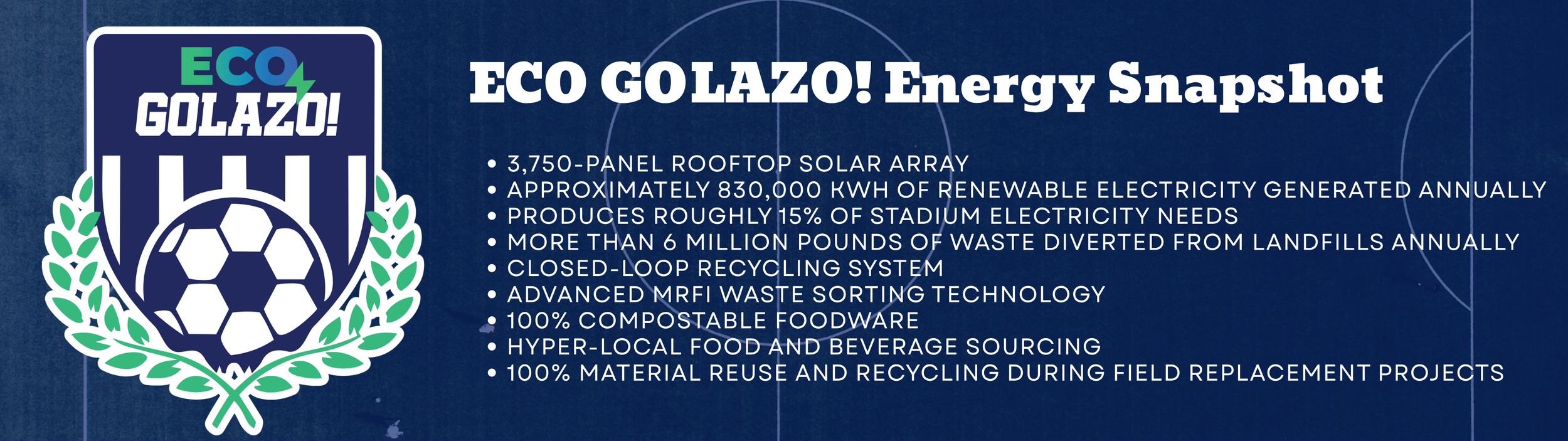
Through its closed-loop recycling and composting systems, the stadium diverts more than 6 million pounds of waste from landfills every year.
The stadium's sustainability efforts focus on:
Recycling
Composting
Material recovery
Waste diversion
Circular economy practices
These programs help reduce landfill impacts while maximizing the value of materials generated during major events.
Hyper-Local Food Systems
One of Lumen Field's most unique sustainability initiatives is its commitment to local sourcing.
The stadium prioritizes food and beverage vendors located within approximately three miles of the venue, helping reduce transportation-related emissions associated with food delivery and event operations.
Benefits include:
Reduced transportation emissions
Support for local businesses
Strengthened local food systems
Increased community investment
Fresher food options for visitors
By supporting nearby vendors, the stadium demonstrates how sustainability can also contribute to local economic development.
Materials Reuse and Circular Economy Innovation
Lumen Field incorporates circular economy principles into major infrastructure projects.
During field replacement projects, the stadium commits to reusing or recycling 100% of removed materials whenever possible.
For example, during the 2019 turf replacement project:
488 tons of rubber and sand were recycled
Turf materials were repurposed
Construction waste was diverted from landfills
These efforts demonstrate how even large-scale renovation projects can be managed in environmentally responsible ways.
Renewable Energy and Energy Efficiency
Lumen Field has invested in clean energy and energy-saving technologies designed to reduce its environmental footprint while improving operational efficiency.
One of the venue's most significant sustainability features is its 2.5-acre rooftop solar array, located on the Event Center roof.
The installation includes:
3,750 solar panels
Approximately 830,000 kWh of renewable electricity generated annually
Enough electricity to power more than 90 Seattle homes each year
Roughly 15% of the stadium's annual electricity needs supplied by onsite solar energy
By generating renewable electricity directly onsite, the stadium helps reduce greenhouse gas emissions while supporting Seattle's clean energy goals.