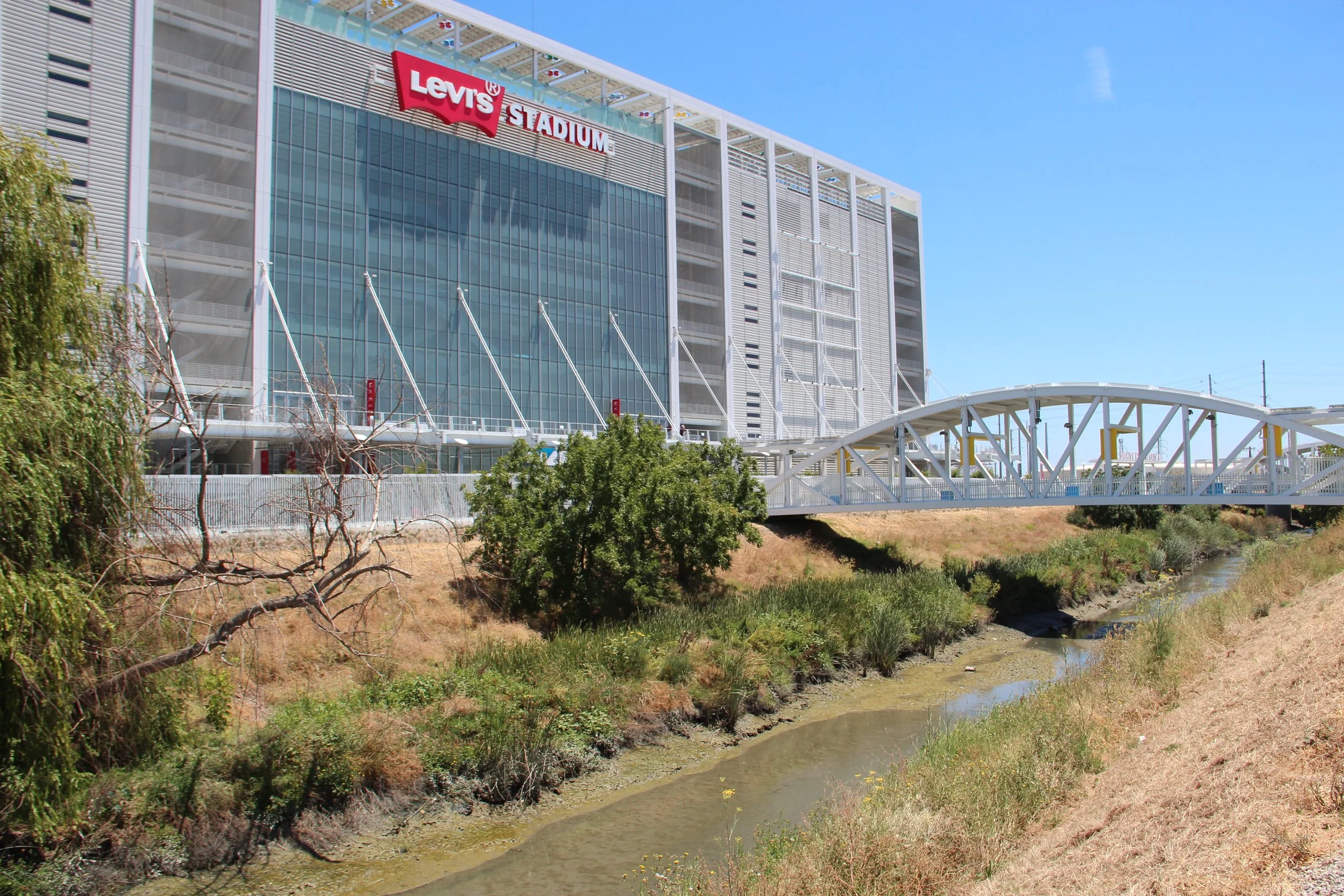
San Francisco Bay Area “Levi’s Stadium”
Location: Santa Clara, California, United States
Matches Hosted: FIFA World Cup 2026™ matches
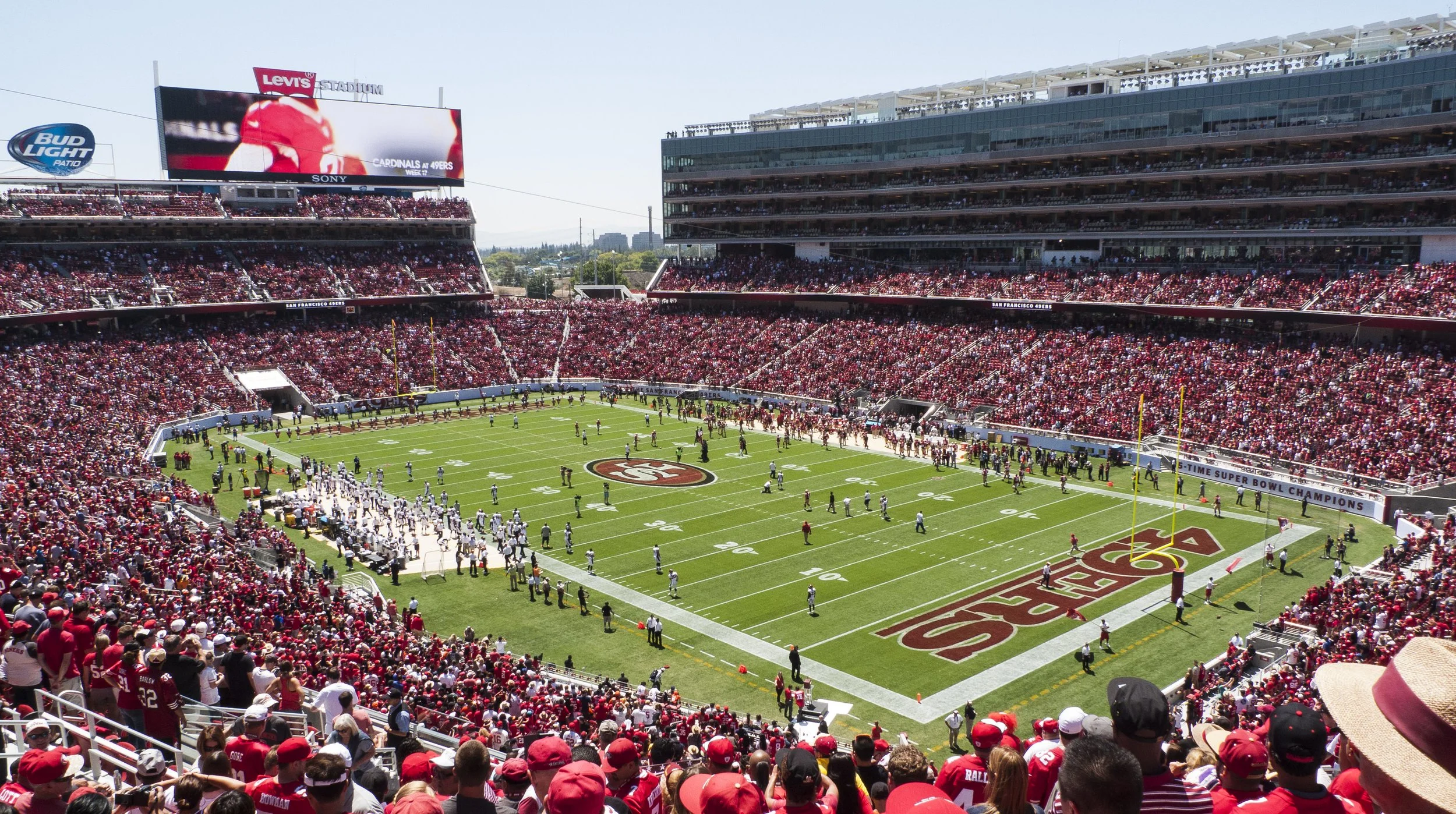
Stadium Capacity: Approximately 68,500
Transit Access: VTA Light Rail and regional transportation networks
Key Sustainability Feature: Solar energy generation and recycled water systems
World Cup Name: San Francisco Bay Area Stadium
Stadium Overview:
Known as San Francisco Bay Area Stadium during the FIFA World Cup 2026™, Levi's Stadium is widely recognized as one of the most sustainable sports venues in the world. Opened in 2014 as the home of the San Francisco 49ers, the stadium was designed with environmental stewardship at its core and has received numerous awards for its sustainability leadership.
Through investments in renewable energy, water conservation, green building practices, and real-time sustainability monitoring, Levi's Stadium demonstrates how major sporting venues can reduce environmental impacts while creating a better experience for fans.
Key features include:
Large-scale solar energy generation
Green roof technology
Extensive recycled water use
Sustainable building materials
Real-time sustainability monitoring
Award-winning environmental design
Sustainability & Climate Highlights:
Renewable Energy Leadership
Levi's Stadium was designed to showcase the potential of renewable energy in large-scale sports facilities.
The stadium features a 27,000-square-foot NRG Solar Terrace along with three solar-paneled pedestrian bridges that generate renewable electricity throughout the year.
Together, these systems produce enough solar energy annually to power all San Francisco 49ers home games.
These investments help:
Reduce greenhouse gas emissions
Increase renewable energy generation
Support clean electricity production
Demonstrate practical solar energy solutions
By making solar energy highly visible throughout the venue, Levi's Stadium helps educate visitors about renewable energy technologies.
Sustainability Dashboard and Environmental Transparency
One of the most innovative features of Levi's Stadium is its public Sustainability Dashboard.
Located within the stadium, the dashboard provides real-time information on:
Energy consumption
Water use
Air quality metrics
Operational sustainability performance
This transparency allows fans to see sustainability in action and learn how environmental initiatives impact stadium operations.
The dashboard demonstrates how data and technology can help improve accountability and environmental awareness.
Green Building Design
Levi's Stadium incorporates numerous sustainable building features that help reduce environmental impacts.
One of the most visible examples is the stadium's 27,000-square-foot green roof, which is planted with native, drought-resistant vegetation. The green roof helps:
Reduce cooling demands
Improve insulation
Reduce stormwater runoff
Support biodiversity
Enhance building efficiency
The stadium also prioritizes sustainable materials. More than 80% of the wood used in the Citrix Owners Suites was reclaimed from a former aircraft hangar at nearby Moffett Field.
These design choices demonstrate how sustainable construction practices can reduce resource consumption while creating unique spaces.