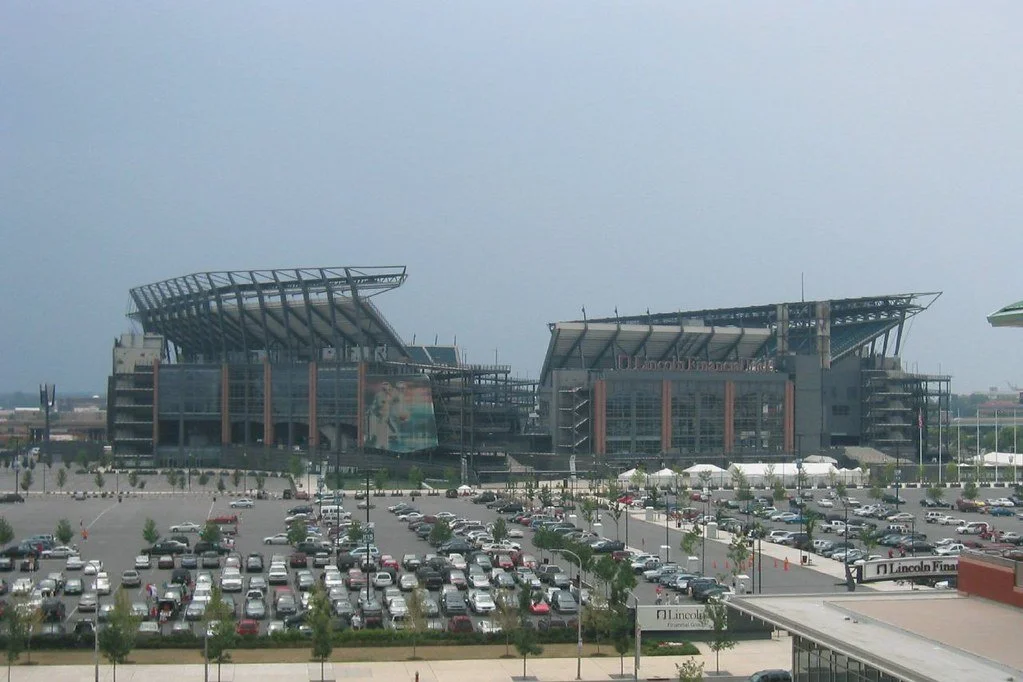
Philadelphia Stadium “Lincoln Financial Field”
Location: Philadelphia, Pennsylvania, United States
Matches Hosted: FIFA World Cup 2026™ matches
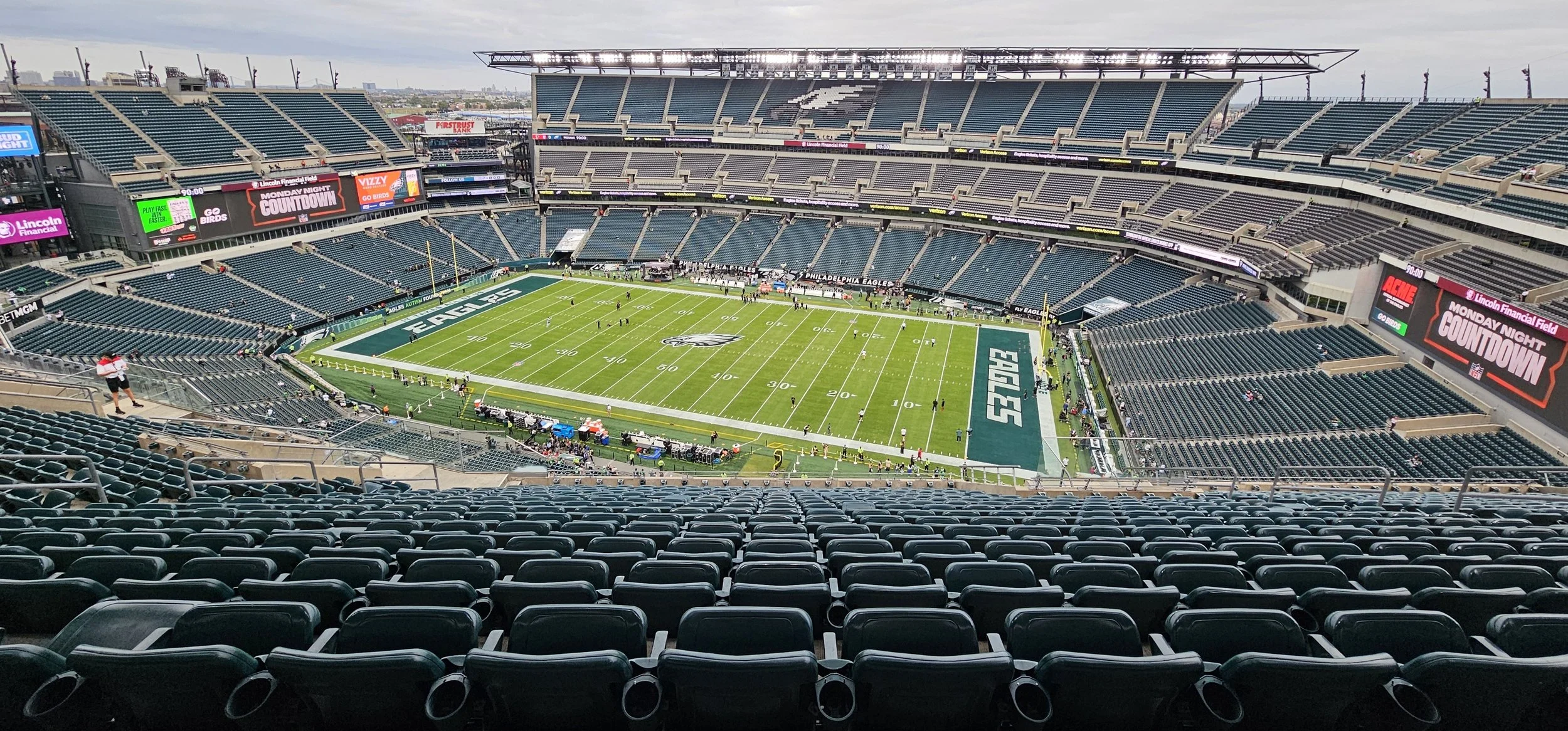
Stadium Capacity: Approximately 69,000
Transit Access: SEPTA Broad Street Line and regional transit networks
Key Sustainability Feature: 100% clean energy operations and 99% waste diversion rate
World Cup Name: Philadelphia Stadium
Stadium Overview:
Known as Philadelphia Stadium during the FIFA World Cup 2026™, Lincoln Financial Field is widely recognized as one of the most sustainable sports venues in the world. Home of the Philadelphia Eagles, the stadium has become a model for environmental stewardship through its award-winning Go Green Program, which integrates renewable energy, waste diversion, water conservation, and innovative sustainability technologies into daily operations.
The stadium has earned numerous environmental certifications, including LEED Platinum and ISO 20121, reflecting its commitment to sustainable event management and environmental performance.
Key features include:
100% clean energy operations
Large-scale solar and wind energy generation
Zero-waste initiatives
Hydrogen-powered fleet operations
Rainwater capture and reuse systems
Closed-loop recycling programs
Sustainability & Climate Highlights:
Renewable Energy Leadership
Lincoln Financial Field is one of the few professional sports venues capable of producing a significant portion of its own renewable electricity. The stadium and surrounding property feature:
More than 10,000 solar panels
Multiple onsite wind turbines
Renewable energy generation systems
Together, these systems generate approximately 40% of the stadium's annual electricity needs. The remaining energy demand is matched through renewable energy credits (RECs), allowing the stadium to operate on 100% clean energy. These investments help:
Reduce greenhouse gas emissions
Increase energy independence
Support renewable energy development
Demonstrate clean energy solutions at scale
Zero Waste Operations
Philadelphia Stadium has established one of the most successful waste diversion programs in professional sports.
Through recycling, composting, material recovery, and operational efficiency efforts, the venue diverts more than 99% of its waste from landfills.
The stadium's waste reduction initiatives include:
Comprehensive recycling programs
Composting operations
Food waste diversion
Material recovery systems
Aluminum recycling and resale
An onsite compactor crushes aluminum materials that are then sold and reinvested into additional sustainability programming.
Hydrogen-Powered Transportation
One of the stadium's most innovative sustainability achievements is the installation of a hydrogen refueling station, making the Eagles the first professional sports organization in North America to adopt this technology.
The station powers:
Stadium passenger vehicles
Golf carts
Game-day operational fleets
Benefits include:
Reduced vehicle emissions
Cleaner transportation operations
Support for emerging clean energy technologies
Reduced dependence on fossil fuels
This initiative highlights the role alternative fuels can play in reducing transportation-related emissions.
Closed-Loop Recycling Innovation
The stadium's sustainability program extends beyond traditional recycling.
Plastic materials collected during events are transformed into new products through closed-loop recycling systems.
Examples include:
Stadium park benches
Community-use products
Replica Lombardi trophies
Other recycled materials
By turning waste into new resources, the stadium demonstrates how circular economy principles can be integrated into large-scale venue operations.