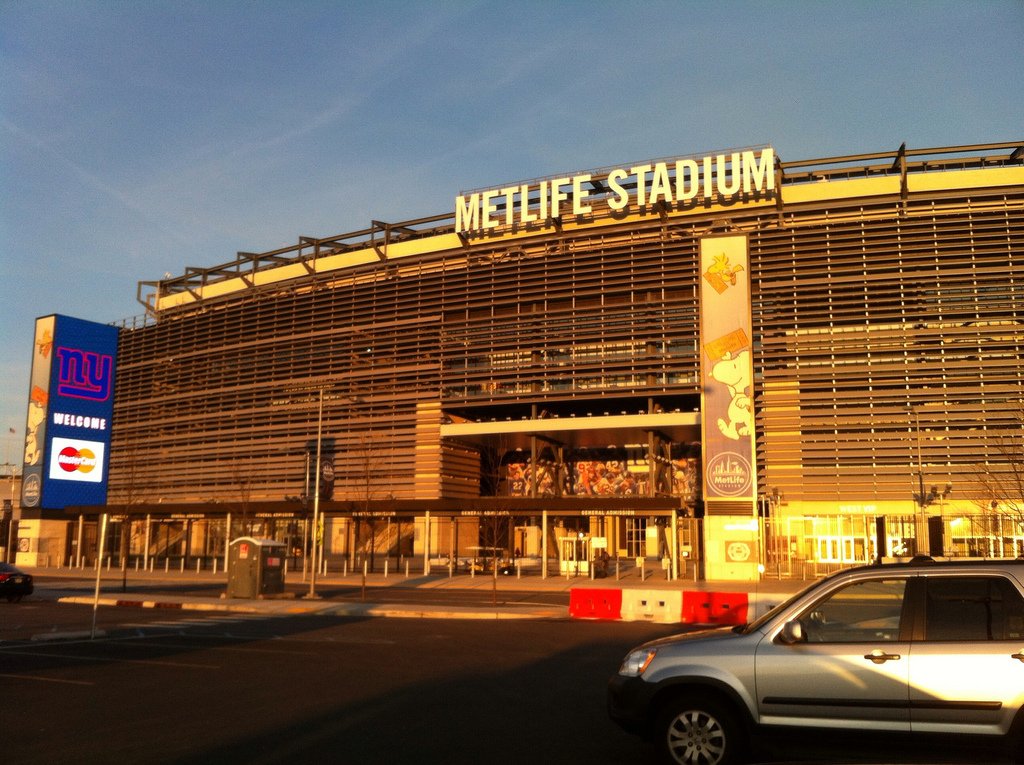
New York New Jersey “MetLife Stadium”
Location: East Rutherford, New Jersey, United States
Matches Hosted: FIFA World Cup 2026™ matches, including the Final
Stadium Capacity: Approximately 82,500
Transit Access: Regional transportation networks serving the New York metropolitan area
Key Sustainability Feature: Solar Ring renewable energy system and comprehensive water conservation program
World Cup Name: New York New Jersey Stadium
Stadium Overview:
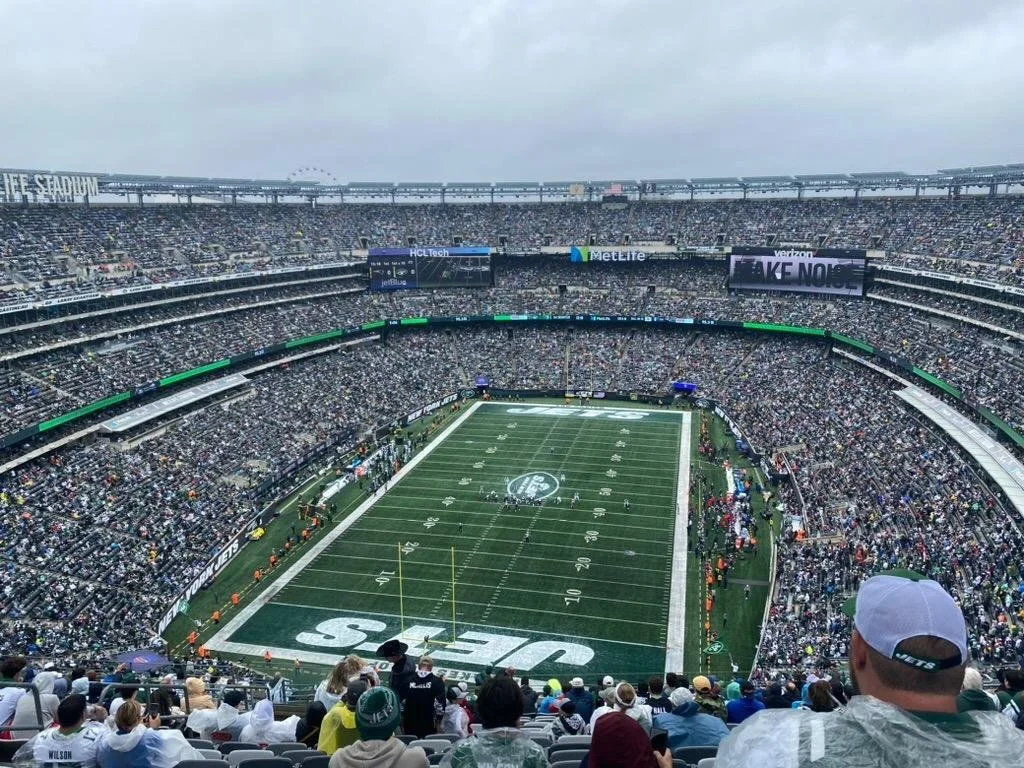
Known as New York New Jersey Stadium during the FIFA World Cup 2026™, MetLife Stadium is one of the largest sports and entertainment venues in North America. Opened in 2010, the stadium serves as the home of the New York Giants and New York Jets and will host the FIFA World Cup 2026™ Final.
Since its opening, MetLife Stadium has integrated sustainability into its operations through investments in renewable energy, water conservation, waste diversion, and resource management. These efforts have helped make the venue a leader in environmental stewardship among major sports facilities.Key features include:
Onsite solar energy generation
Energy-efficient lighting systems
Water conservation technologies
Comprehensive recycling programs
Food recovery and composting initiatives
Sustainable transportation support
Sustainability & Climate Highlights:
Renewable Energy and Energy Efficiency
One of MetLife Stadium's most visible sustainability features is its Solar Ring, a crown of approximately 1,350 solar panels installed around the stadium.
The system generates renewable electricity onsite while helping raise awareness about clean energy technologies among millions of visitors each year.
The stadium also incorporates:
Energy-efficient LED lighting
Motion-sensor lighting controls
Low-energy HVAC technologies
Advanced building management systems
Together, these improvements have helped the stadium reduce energy consumption by approximately 30% compared to the former Giants Stadium.
These investments demonstrate how modern stadium design can significantly reduce operational energy demand while maintaining a world-class fan experience.
Water Conservation Leadership
MetLife Stadium has implemented numerous strategies to reduce water consumption and improve resource efficiency. The venue utilizes:
Water filtration fountains
Sensor-operated faucets
Low-flow plumbing fixtures
Water-efficient irrigation systems
Waterless urinals
These efforts have helped the stadium use approximately 25% less water than its predecessor.
One of the most notable achievements comes from the installation of waterless urinals, which have saved more than 2.7 million gallons of water.
The stadium's landscaping program also incorporates native plants and efficient irrigation technologies, reducing outdoor water use by approximately 700,000 gallons annually.
Comprehensive Waste Diversion and Recycling
MetLife Stadium operates one of the most comprehensive waste diversion programs among major sports venues.
Following events, materials are carefully sorted to separate:
Recyclables
Compostable materials
General waste
Electronic waste
Universal waste
The stadium also maintains dedicated recycling programs for:
Aluminum
PET plastics
Cardboard
Electronic equipment
These initiatives help reduce landfill waste while increasing material recovery and reuse.