Kansas City Stadium “GEHA Field”
Location: Inglewood, California, United States
Matches Hosted: FIFA World Cup 2026™ matches
Stadium Capacity: Approximately 70,000+
Transit Access: Regional transportation networks and mobility planning initiatives
Key Sustainability Feature: ETFE passive-cooling roof and advanced water recycling systems
World Cup Name: Los Angeles Stadium
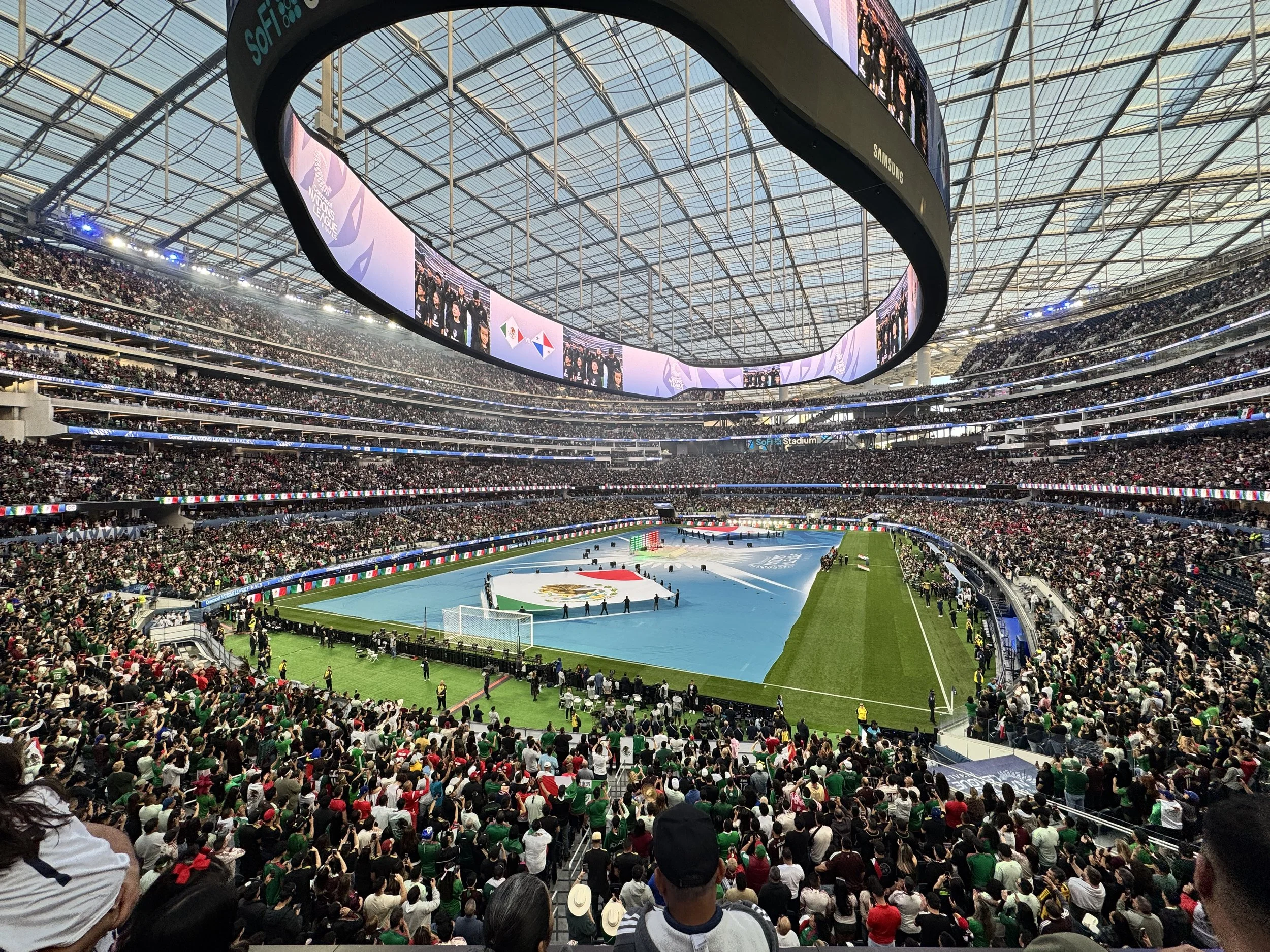
Stadium Overview:
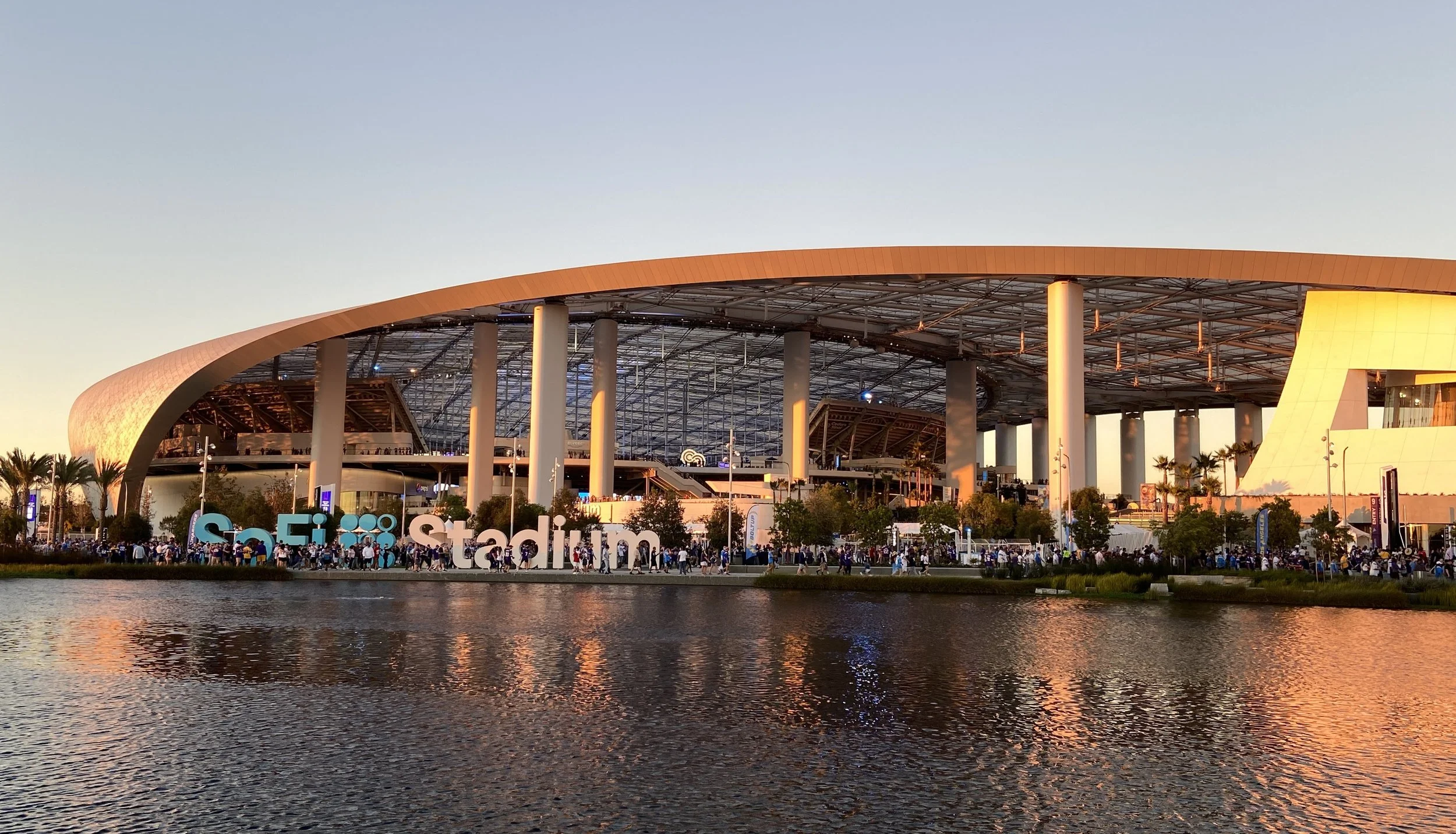
Known as Los Angeles Stadium during the FIFA World Cup 2026™, SoFi Stadium is one of the newest and most technologically advanced sports venues in the world. Opened in 2020 as the centerpiece of the larger Hollywood Park development, the stadium was designed with sustainability, resilience, and resource conservation in mind.
As Los Angeles prepares to host FIFA World Cup 2026™ matches, SoFi Stadium continues to demonstrate how innovative architecture and environmental stewardship can work together to reduce the environmental footprint of major sporting events. Key features include:
Renewable energy investments
Passive cooling architectural design
Water recycling and conservation systems
Native drought-resistant landscaping
Waste diversion and composting programs
Food recovery initiatives
Sustainability & Climate Highlights:
Renewable Energy Leadership
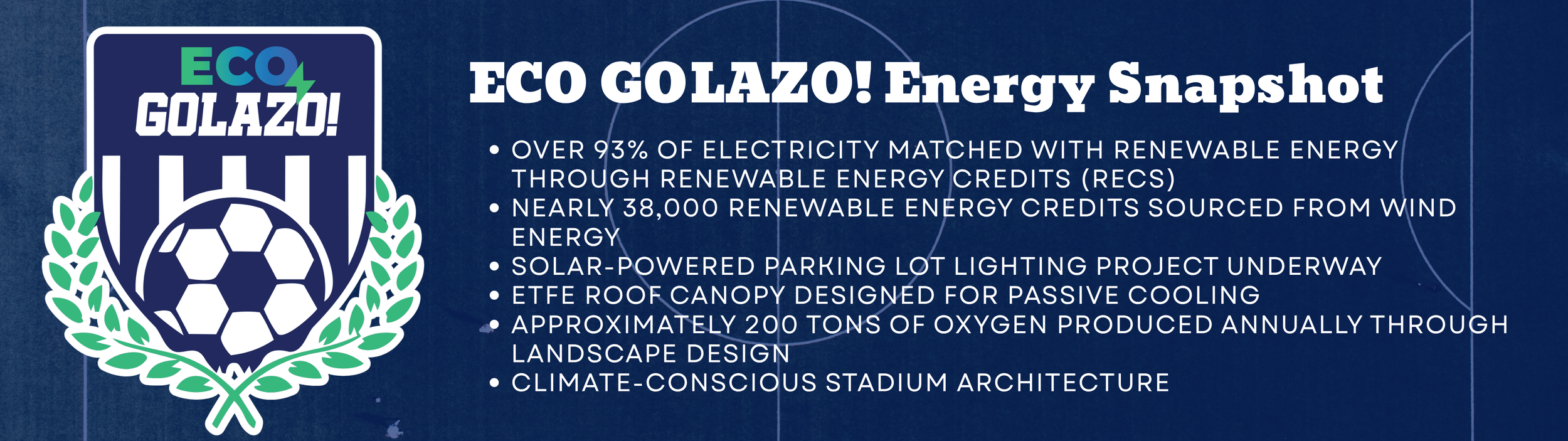
SoFi Stadium has made significant investments in renewable energy to reduce its carbon footprint. In 2025, the venue matched more than 93% of its total electricity consumption with renewable energy through the purchase of nearly 38,000 renewable energy credits (RECs) sourced from a Texas wind farm.
Additional renewable energy investments include ongoing projects to replace diesel-powered parking lot light towers with solar-powered alternatives.
These efforts help:
Reduce greenhouse gas emissions
Support renewable energy development
Lower reliance on fossil fuels
Promote cleaner electricity generation
Climate-Conscious Stadium Design
One of SoFi Stadium's most innovative sustainability features is its ETFE roof canopy. Located less than three miles from the Pacific Ocean, the stadium was intentionally designed to take advantage of natural coastal breezes.
The ETFE canopy:
Allows continuous airflow through the venue
Supports natural cooling
Reduces reliance on mechanical cooling systems
Improves spectator comfort
The canopy also includes a specialized frit pattern that blocks direct sunlight, helping maintain temperatures that are approximately four degrees cooler inside the venue than outside.
This passive cooling strategy demonstrates how thoughtful design can reduce energy needs while enhancing visitor comfort.
Waste Diversion and Food Recovery
SoFi Stadium and YouTube Theater operate extensive waste diversion programs designed to reduce landfill impacts.
In 2025, nearly 700 tons of waste were diverted from landfills through:
Recycling programs
Composting initiatives
Onsite ORCA food waste digesters
Material recovery efforts
Food donation programs
The venues also partner with organizations such as Chefs to End Hunger to donate excess prepared food.
In 2025 alone, more than 4,800 meals were recovered and distributed to community members in need.
These efforts help reduce food waste while strengthening community support systems.
Water Conservation and Recycling
Water conservation is one of the most impressive sustainability achievements at SoFi Stadium.
Adjacent to the stadium, Lake Park serves as a six-acre water recycling and stormwater management system.
The lake:
Captures 70–80% of stormwater runoff
Stores water for landscape irrigation
Reduces pressure on local water systems
Supports climate resilience efforts
In 2025, SoFi Stadium used reclaimed water for more than 81% of its water needs, conserving millions of gallons of drinking water.
The facility also utilized approximately 27.5 million gallons of recycled water during the year.