Kansas City Stadium “GEHA Field”
Location: Kansas City, Missouri, United States
Matches Hosted: FIFA World Cup 2026™ matches
Stadium Capacity: Approximately 76,000
Transit Access: Regional transportation networks and event mobility planning
Key Sustainability Feature: LEED Gold certification and 90% waste diversion rate
World Cup Name: Kansas City Stadium
Stadium Overview:
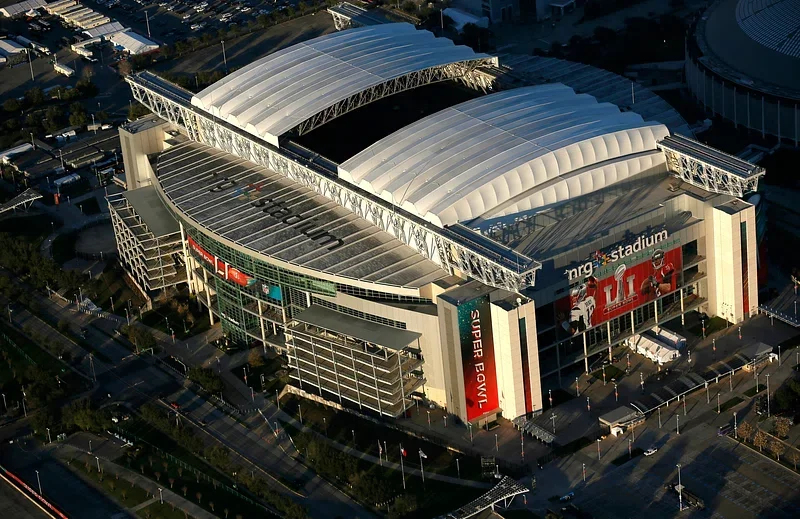
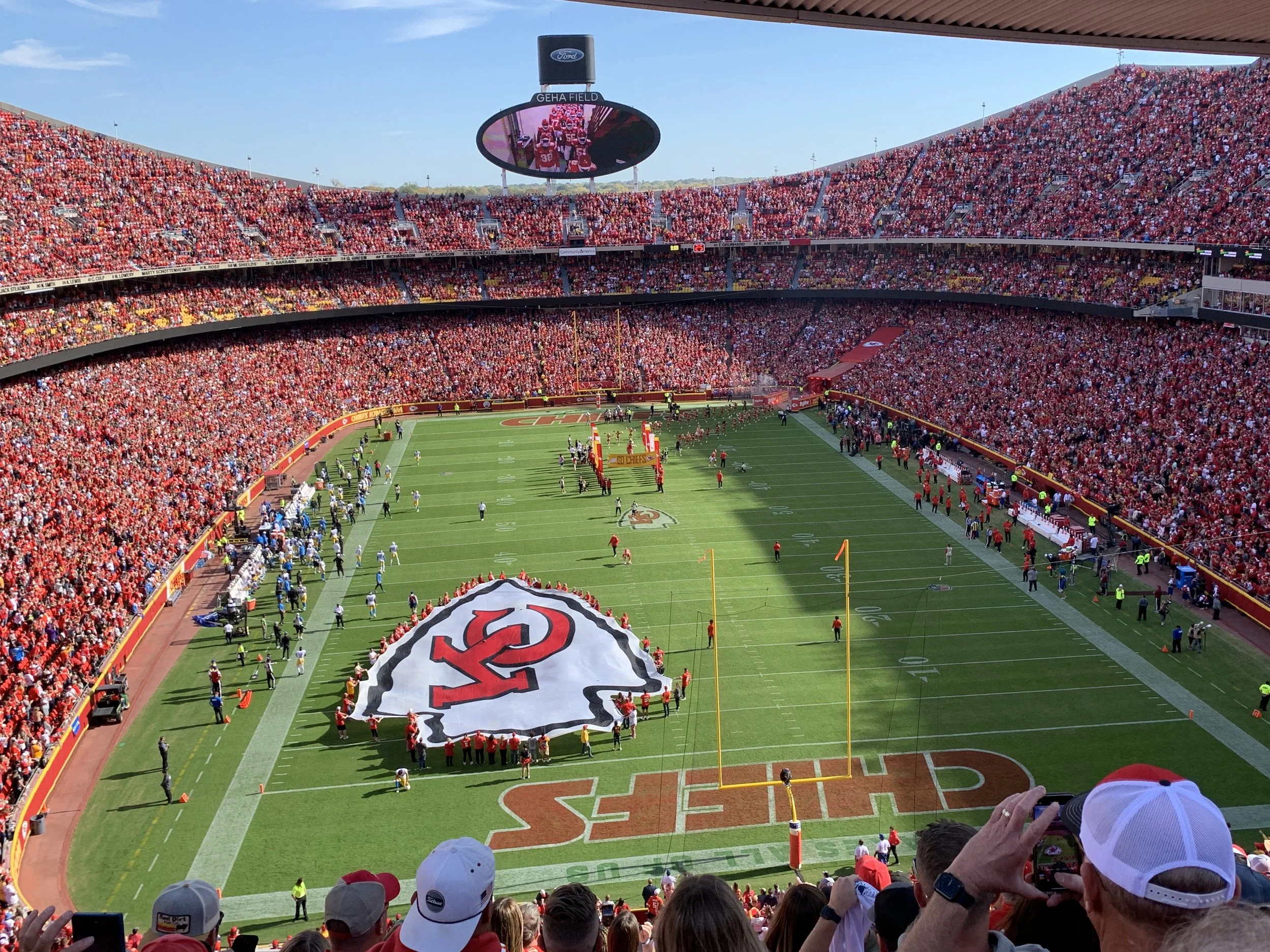
Known as Kansas City Stadium during the FIFA World Cup 2026™, GEHA Field at Arrowhead Stadium is one of the most iconic venues in American sports. Opened in 1972 and home to the Kansas City Chiefs, the stadium has transformed itself into a national leader in sustainability through innovative conservation programs, renewable energy investments, and waste reduction initiatives.
Despite being one of the oldest stadiums participating in the FIFA World Cup 2026™, the venue has successfully modernized its operations and earned LEED Gold Certification, demonstrating that sustainability can be achieved through continuous improvement and long-term commitment.
Key features include:
LEED Gold certification
Solar energy generation
LED lighting upgrades
Advanced waste diversion systems
Water conservation measures
Reusable cup and circular economy initiatives
Sustainability & Climate Highlights:
LEED Gold Certification
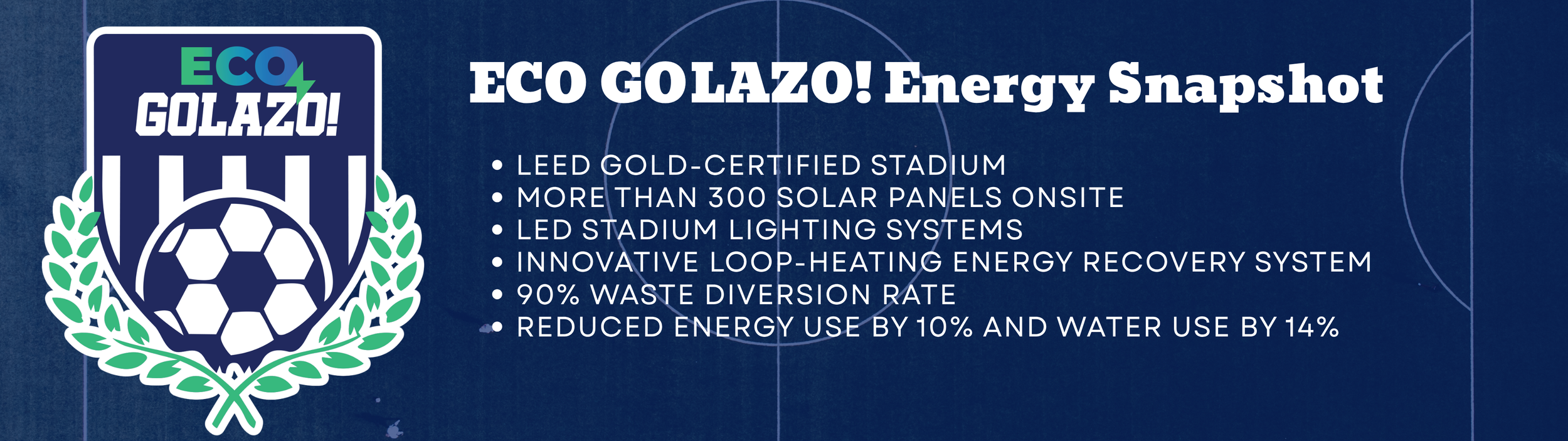
GEHA Field at Arrowhead Stadium has earned LEED Gold certification from the U.S. Green Building Council, making it one of the oldest professional sports venues in the country to achieve this distinction.
Through its sustainability initiatives, the stadium has:
Reduced energy consumption by 10%
Reduced water consumption by 14%
Achieved a 90% waste diversion rate
Improved operational efficiency
Expanded renewable energy investments
These accomplishments demonstrate how existing facilities can significantly improve environmental performance over time.
Renewable Energy & Energy Efficiency
The stadium has invested in multiple energy-saving technologies designed to reduce electricity consumption and lower greenhouse gas emissions.
Key improvements include:
Replacement of halogen stadium lights with energy-efficient LED lighting
Installation of more than 300 solar panels across stadium and training facilities
Advanced energy management systems
Renewable energy generation supporting facility operations
These investments help reduce the stadium's environmental footprint while improving long-term operational efficiency.
Loop Heating System
One of the most unique sustainability features at Kansas City Stadium is its loop heating system.
Instead of allowing excess heat from a stadium boiler to go unused, the system captures and redirects that energy to warm the playing field and club-level areas.
Benefits include:
Reduced energy waste
Lower electricity consumption
Improved operational efficiency
Elimination of approximately 200 electric heaters
Reduced greenhouse gas emissions
This innovative approach demonstrates how energy recovery technologies can improve sustainability while maintaining comfort for athletes and spectators.
Waste Diversion and Circular Economy Leadership
Kansas City Stadium has become a national leader in waste reduction through the Chiefs' Extra Yard for the Environment initiative.
The stadium operates:
Onsite composting systems
Biodigester technology
Automated waste sorting programs
Recycling initiatives
Food waste diversion efforts
Together, these systems help divert thousands of pounds of waste from local landfills during major events.
As a result, the stadium has achieved an impressive 90% waste diversion rate, one of the highest among professional sports venues.