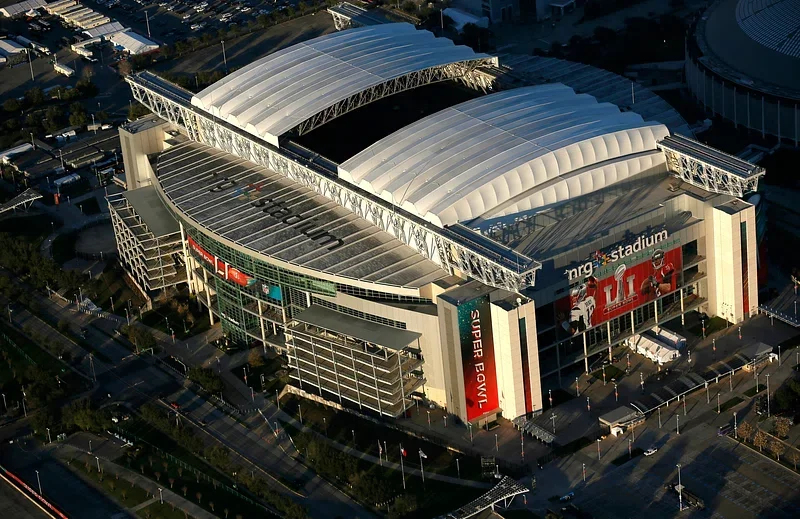
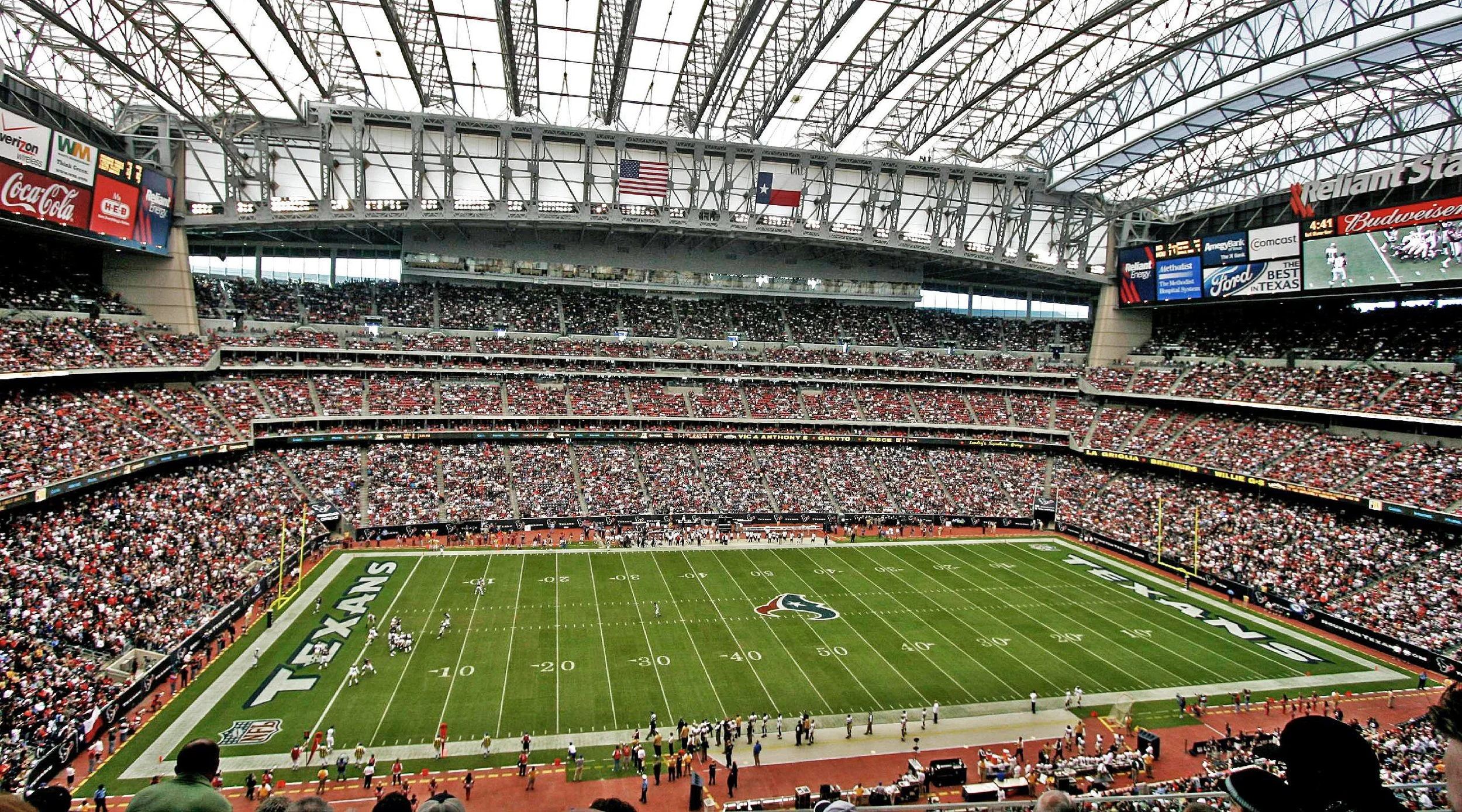
Houston Stadium “NRG Stadium”
Location: Houston, Texas, United States
Matches Hosted: FIFA World Cup 2026™ matches
Stadium Capacity: Approximately 72,000
Transit Access: METRORail and regional bus networks
Key Sustainability Feature: Solar energy generation and LED lighting upgrades
World Cup Name: Houston Stadium
Stadium Overview:
Known as Dallas Stadium during the FIFA World Cup 2026™, AT&T Stadium is one of the largest and most recognizable sports venues in the world. Opened in 2009, the stadium serves as the home of the Dallas Cowboys and will host multiple matches during the FIFA World Cup 2026™, including key knockout-round games.
As one of North America's premier sports and entertainment venues, AT&T Stadium has implemented a variety of sustainability initiatives focused on energy efficiency, waste reduction, and resource conservation. Key features include:
Comprehensive energy optimization programs
Energy-efficient building systems
Regenerative escalator technology
Venue-wide recycling efforts
Food waste reduction and donation programs
Bio-composting initiatives
Sustainability & Climate Highlights:
Solar Power Expansion
One of the most significant sustainability investments at NRG Park is the installation of a large-scale solar energy system designed to generate renewable electricity onsite.
The solar array helps:
Increase renewable energy generation
Reduce reliance on fossil-fuel-powered electricity
Lower greenhouse gas emissions
Support cleaner energy infrastructure
Demonstrate the benefits of solar energy to visitors
As one of the most visible sustainability projects at the venue, the solar installation highlights the growing role renewable energy can play in powering major sports and entertainment facilities.
Energy-Efficient Lightning System
NRG Stadium has upgraded portions of its facility with advanced LED lighting technology designed to improve energy efficiency while maintaining high-quality lighting for sporting events and large gatherings.
Benefits of LED lighting include:
Reduced electricity consumption
Lower maintenance requirements
Improved operational efficiency
Longer equipment lifespan
Reduced environmental impact
These upgrades help modernize stadium operations while supporting broader sustainability goals.
Transit and Urban Connectivity
Located within the Houston metropolitan area, Houston Stadium benefits from connections to one of the largest transportation networks in the United States.
Fans can access the stadium through:
METRORail light rail service
Regional bus routes
Shared transportation options
Event transportation planning
Pedestrian access improvements
Providing multiple transportation options helps reduce congestion and transportation-related emissions associated with major sporting events.