Estadio Monterrey “Estadio BBVA”
Location: Monterrey, Nuevo León
Matches Hosted: FIFA World Cup 2026™ matches
Stadium Capacity: Approximately 53,500
Transit Access: Regional transportation networks and event mobility planning
Key Sustainability Feature: Natural ventilation and energy-efficient building management
World Cup Name: Monterrey Stadium
Stadium Overview:
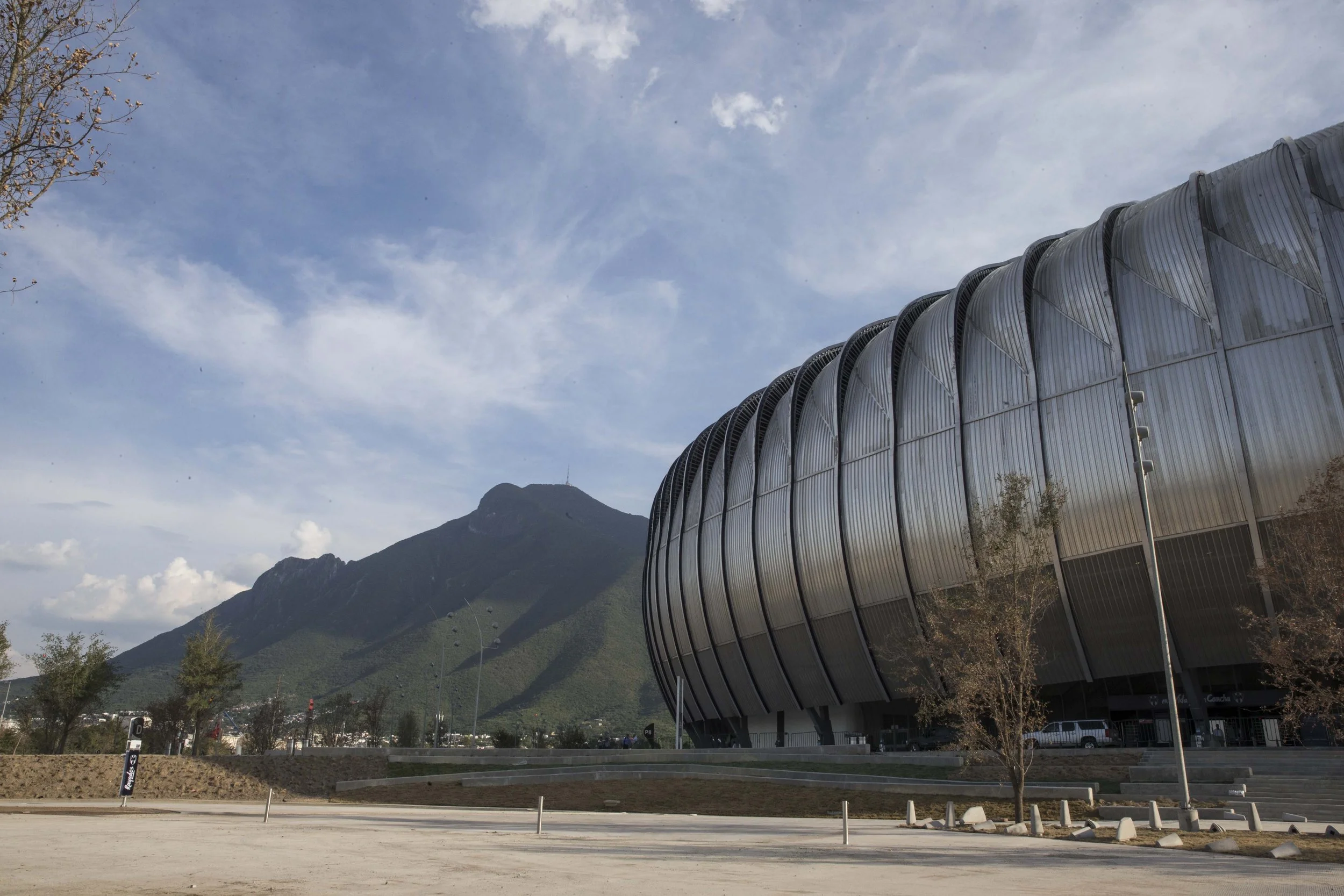
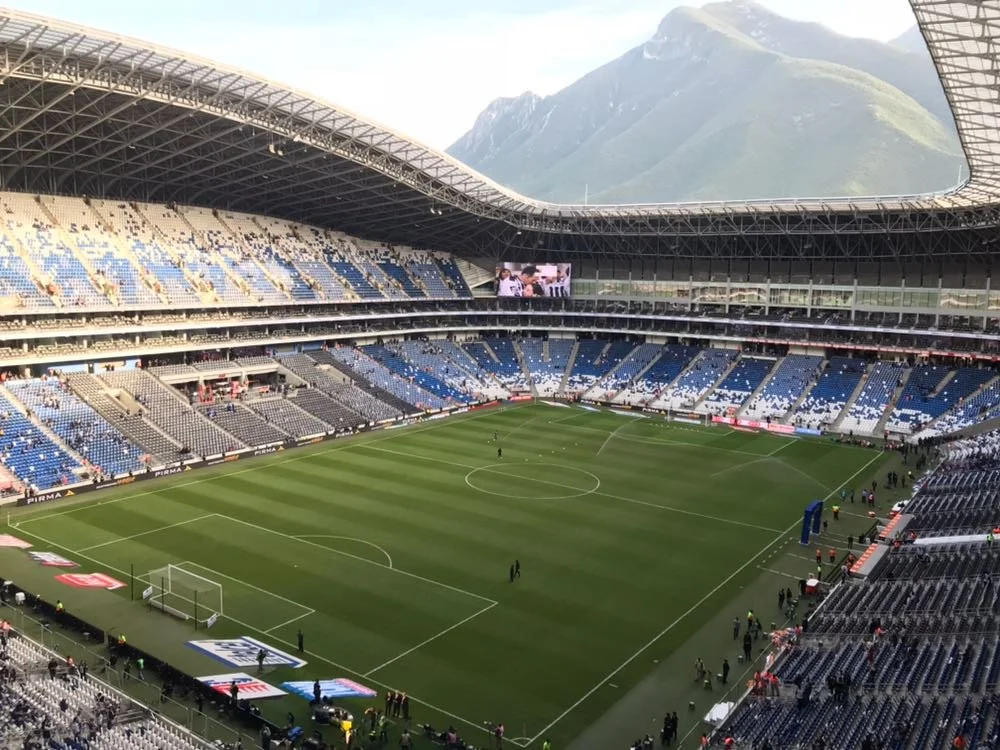
Known as Monterrey Stadium during the FIFA World Cup 2026™, Estadio BBVA is one of Mexico's most modern and technologically advanced sports venues. Opened in 2015, the stadium serves as the home of C.F. Monterrey (Rayados) and is recognized for its innovative architecture, energy-efficient design, and integration with the surrounding natural landscape.
As Monterrey prepares to host FIFA World Cup 2026™ matches, the stadium continues to serve as an example of how modern sports facilities can incorporate sustainability and environmental stewardship into their design and operation.
Key features include:
Natural ventilation systems
Energy-efficient building management technologies
Extensive green space and tree planting initiatives
Climate-conscious architectural design
Modern stadium infrastructure and operations
Sustainability & Climate Highlights:
Natural Ventilation Design
One of the most innovative sustainability features of Monterrey Stadium is its natural ventilation system. The stadium's architecture incorporates perforated seating areas and specialized openings within the roof structure, known as "gills," which allow natural airflow to circulate throughout the venue. This design helps improve spectator comfort while reducing reliance on energy-intensive mechanical cooling systems.
Benefits include:
Increased natural airflow
Improved spectator comfort
Reduced energy demand
Lower operational environmental impact
Climate-responsive stadium design
By incorporating passive cooling strategies into the building itself, Monterrey Stadium demonstrates how architecture can contribute to sustainability goals.
Creating a Green Lung for the Community
As part of the stadium's development, planners sought to create a "green lung" around the venue through the planting of approximately 2,000 native trees.
Species planted include:
Oak trees (Encino Roble)
Evergreen trees
Sycamore poplars (Álamo Sicomoro)
These trees help:
Improve local air quality
Provide shade and cooling benefits
Support biodiversity
Reduce urban heat impacts
Enhance the surrounding landscape
The project demonstrates how large-scale sporting infrastructure can contribute to greener and healthier communities beyond the stadium itself.
Smart Energy Management Systems
Monterrey Stadium incorporates advanced building management systems designed to improve operational efficiency while reducing energy consumption.
These systems monitor and control:
Stadium lighting
Ventilation systems
Air conditioning equipment
Building operations
By optimizing energy use throughout the facility, these technologies help reduce electricity demand and support more sustainable stadium operations.
Benefits include:
Lower energy consumption
Increased operational efficiency
Reduced environmental footprint
Improved building performance