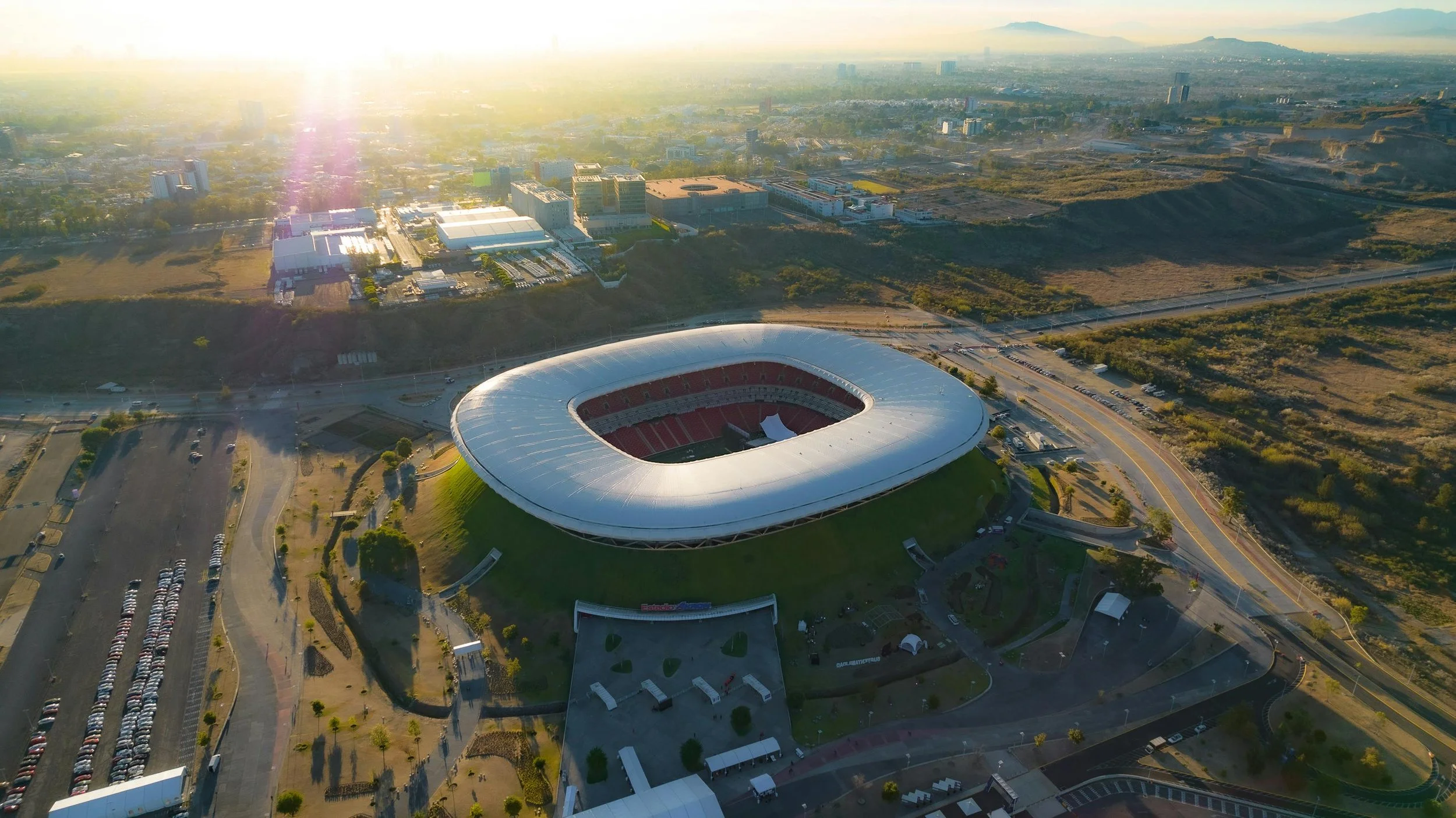
Estadio Guadalajara “Estadio Akron”
Location: Guadalajara, Jalisco, Mexico
Matches Hosted: FIFA World Cup 2026™ matches
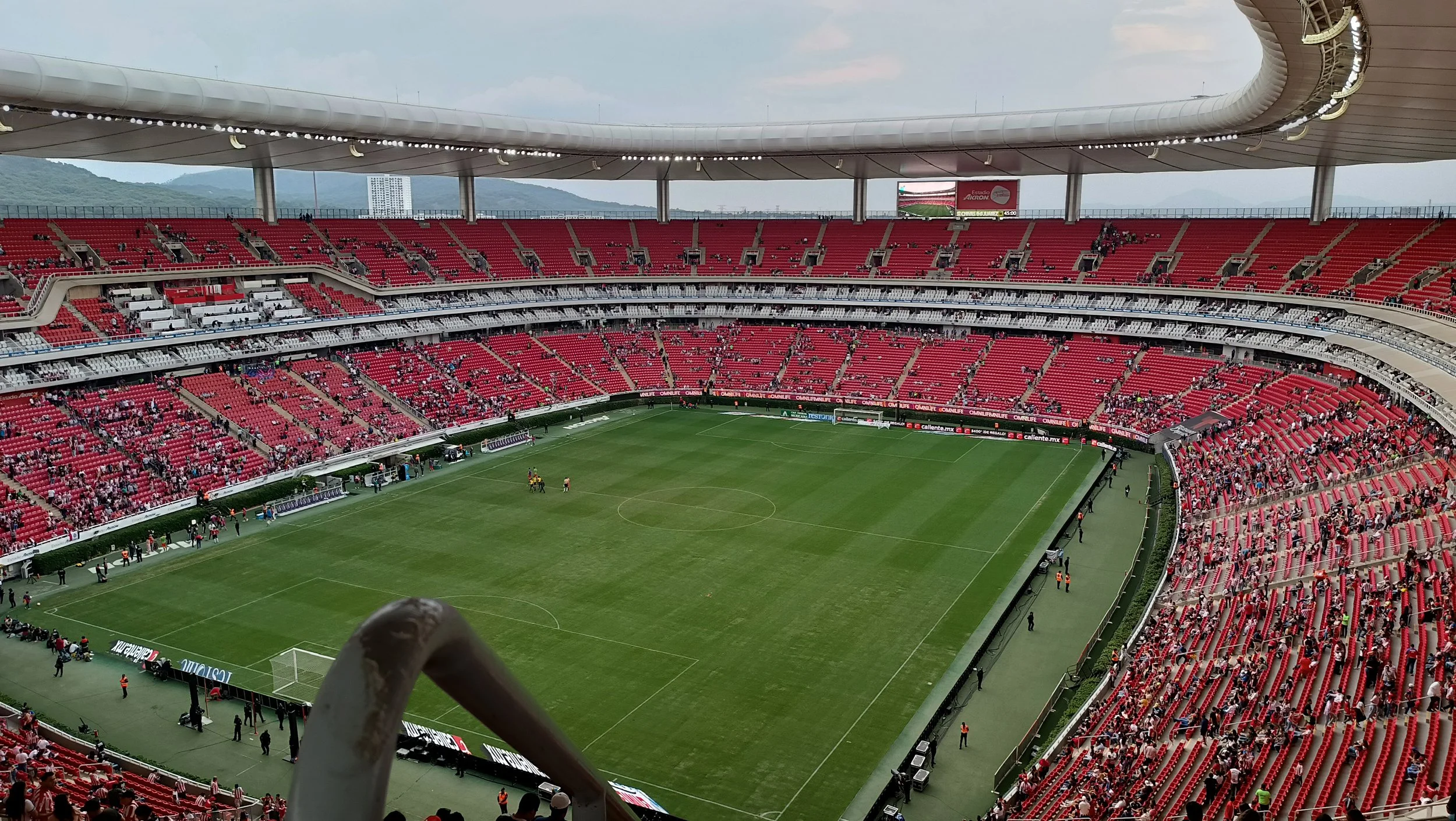
Stadium Capacity: Approximately 49,850
Transit Access: Regional transportation networks and event mobility planning
Key Sustainability Feature: 120,000 m² of green space and the AVES AKRON biodiversity program
World Cup Name: Guadalajara Stadium
Stadium Overview:
Known as Guadalajara Stadium during the FIFA World Cup 2026™, Estadio Akron is one of Mexico's most modern soccer venues. Opened in 2010 and located in the Guadalajara metropolitan area, the stadium serves as the home of Club Deportivo Guadalajara (Chivas) and will host multiple matches during the 2026 FIFA World Cup.
Designed with sustainability and environmental integration in mind, the stadium incorporates innovative features that connect sports, nature, and community. These include:
More than 120,000 square meters of green areas
Smart lighting technology
Environmental education initiatives
Biodiversity conservation efforts
Modern stadium infrastructure and operations
Enhanced digital connectivity and fan experience improvements
Sustainability & Climate Highlights:
A Stadium Surrounded by Nature
One of Estadio Akron's most unique sustainability features is its extensive green infrastructure. The stadium is surrounded by more than 120,000 square meters of green areas, creating a natural environment that helps improve local air quality and supports biodiversity.
According to the stadium's sustainability initiatives, the surrounding vegetation produces oxygen equivalent to multiple trees per square meter, helping create what is often described as a "green lung" for the surrounding area.
These green spaces help:
Improve air quality
Support local biodiversity
Reduce urban heat impacts
Enhance the visitor experience
Strengthen connections between sports and nature
Smart Energy-Efficient Lightning
Estadio Akron also incorporates a smart lighting system designed to optimize energy consumption.
The system automatically regulates lighting intensity and takes advantage of available natural light conditions whenever possible, helping reduce overall electricity demand while maintaining safe and high-quality conditions for events.
Benefits include:
Reduced energy consumption
Improved operational efficiency
Lower environmental impact
Enhanced lighting management during events
These technologies demonstrate how modern stadium infrastructure can contribute to more sustainable operations.