Dallas Stadium “AT&T Stadium”
Location: Arlington, Texas, United States
Matches Hosted: FIFA World Cup 2026™ matches, including knockout-round games
Stadium Capacity: Approximately 80,000+
Transit Access: Regional transportation networks and event mobility planning
Key Sustainability Feature: Energy optimization program and regenerative escalator technology
World Cup Name: Dallas Stadium
Stadium Overview:
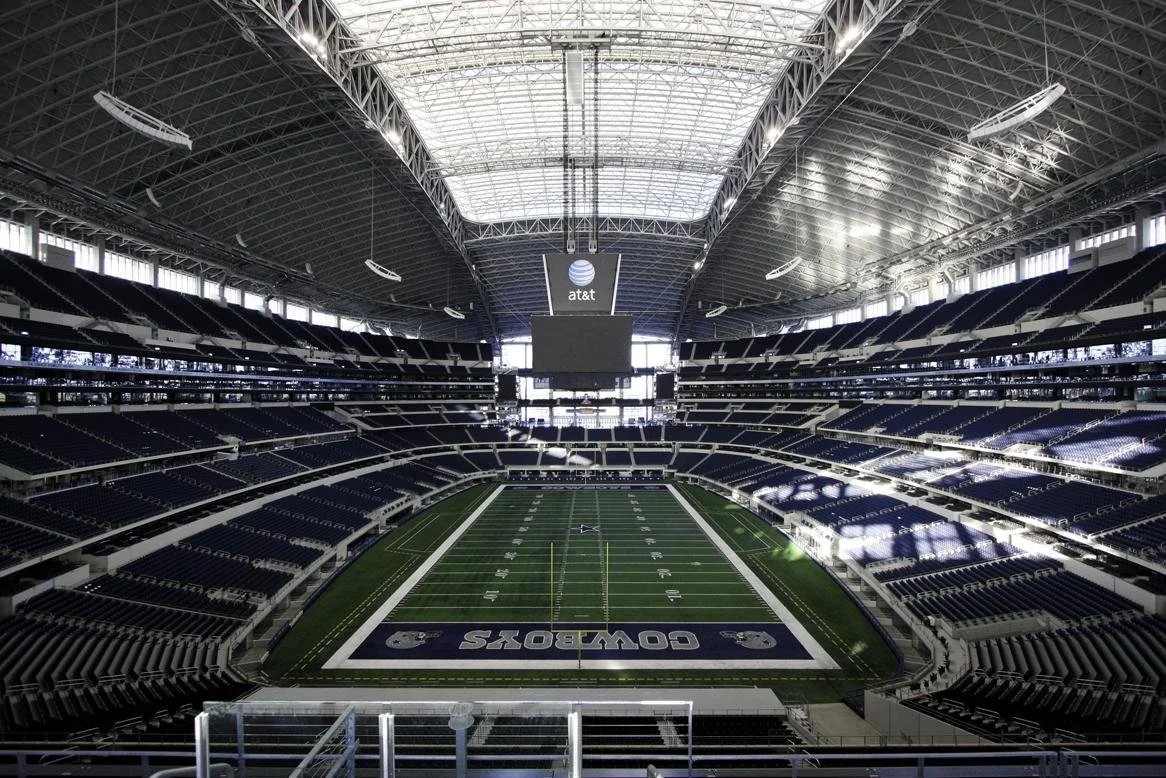
Known as Dallas Stadium during the FIFA World Cup 2026™, AT&T Stadium is one of the largest and most recognizable sports venues in the world. Opened in 2009, the stadium serves as the home of the Dallas Cowboys and will host multiple matches during the FIFA World Cup 2026™, including key knockout-round games.
As one of North America's premier sports and entertainment venues, AT&T Stadium has implemented a variety of sustainability initiatives focused on energy efficiency, waste reduction, and resource conservation. Key features include:
Comprehensive energy optimization programs
Energy-efficient building systems
Regenerative escalator technology
Venue-wide recycling efforts
Food waste reduction and donation programs
Bio-composting initiatives
Sustainability & Climate Highlights:
Energy Optimization & Efficiency
AT&T Stadium has invested in a comprehensive energy optimization program designed to improve efficiency and reduce operational energy consumption.
Through ongoing monitoring and upgrades, the stadium has reduced utility costs by approximately 25%, demonstrating how large venues can lower both expenses and environmental impacts through smarter energy management.
The program helps:
Reduce electricity consumption
Improve building performance
Lower operating costs
Increase energy efficiency
Support long-term sustainability goals
These improvements show how operational changes can deliver meaningful environmental benefits even in large, energy-intensive facilities.
Innovative Regenerative Escalator Technology
One of the stadium's most unique energy-saving features is its use of variable frequency drive (VFD) escalators.
The stadium's 18 escalators operate with systems that are approximately 50% more efficient than conventional escalators and can regenerate electricity back into the building's electrical system during operation.
Benefits include:
Reduced electricity demand
Improved equipment efficiency
Energy recovery during operation
Lower overall environmental impact
Enhanced building sustainability
This technology demonstrates how even everyday building systems can contribute to energy conservation.
Waste Reduction & Food Recovery
AT&T Stadium operates a permanent venue-wide recycling and waste diversion program designed to reduce the amount of material sent to landfills.
The stadium also actively manages food inventory by analyzing factors such as attendance, weather conditions, and event demand to reduce unnecessary food waste.
Additional sustainability efforts include:
Donation of untouched food to local charities
Bio-composting programs
Recycling initiatives throughout the venue
Waste diversion strategies
Community partnerships supporting food security
By reducing food waste and supporting local organizations, the stadium connects sustainability efforts with community impact.