Boston Stadium “Gillette Stadium”
Location: Foxborough, Massachusetts, United States
Matches Hosted: FIFA World Cup 2026™ matches
Stadium Capacity: Approximately 65,000
Transit Access: Regional rail service and event transportation networks
Key Sustainability Feature: Clean energy operations and Demand Response participation
World Cup Name: Boston Stadium

Stadium Overview:
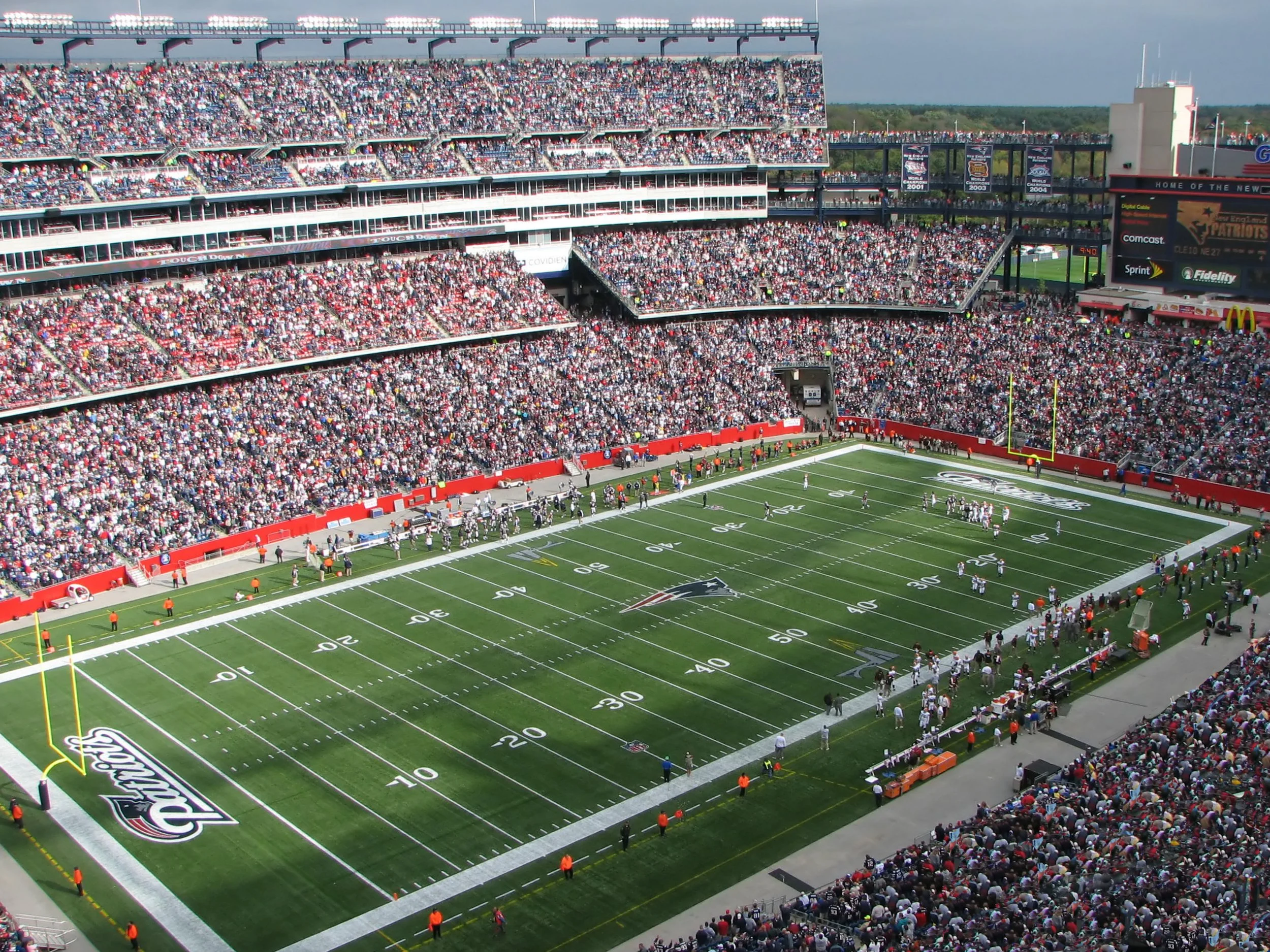
Known as Boston Stadium during the FIFA World Cup 2026™, Gillette Stadium is one of the premier sports and entertainment venues in the United States. Opened in 2002, the stadium serves as the home of the New England Patriots and New England Revolution and will host multiple matches during the FIFA World Cup 2026™.
Over the past decade, Gillette Stadium has invested in a variety of energy-efficiency and sustainability initiatives designed to reduce energy consumption, support grid reliability, and promote cleaner electricity sources. Key features include:
High-efficiency energy infrastructure
Onsite cogeneration systems
Fuel cell technology
Renewable energy credits (RECs)
Demand Response participation
Sustainability & Climate Highlights:
Energy Efficiency Investments
Gillette Stadium has implemented several major infrastructure upgrades to improve energy efficiency and reduce electricity consumption.
These investments include:
High-efficiency chillers installed in 2014
LED sports lighting installed in 2019
Onsite cogeneration systems
Fuel cell technology added in 2019
Together, these improvements help reduce the stadium's overall energy demand while improving operational performance and reliability.
By investing in more efficient systems, the stadium demonstrates how existing venues can modernize infrastructure to lower their environmental footprint.
Clean Energy Commitment
Since 2019, all events at Gillette Stadium have been powered through a combination of onsite energy generation and renewable energy credits (RECs).
The stadium uses RECs to cover electricity needs not supplied by its onsite cogeneration units and fuel cells, ensuring that energy consumption associated with Patriots games, Revolution matches, concerts, and other events is matched with renewable electricity generation.
This approach helps:
Support renewable energy development
Reduce greenhouse gas emissions
Increase demand for clean electricity
Promote cleaner energy markets
Supporting a More Resilient Electric Grid
One of Gillette Stadium's most innovative sustainability efforts is its participation in regional Demand Response programs.
Demand Response programs help reduce strain on the electric grid during periods of high demand by providing standby capacity and reducing electricity consumption when needed.
These programs help:
Reduce the need for fossil-fuel-powered backup generation
Improve grid reliability
Lower energy system costs
Prevent outages during peak demand periods
Support cleaner electricity across New England
By participating in Demand Response initiatives, Gillette Stadium contributes to a more resilient and efficient regional energy system.